
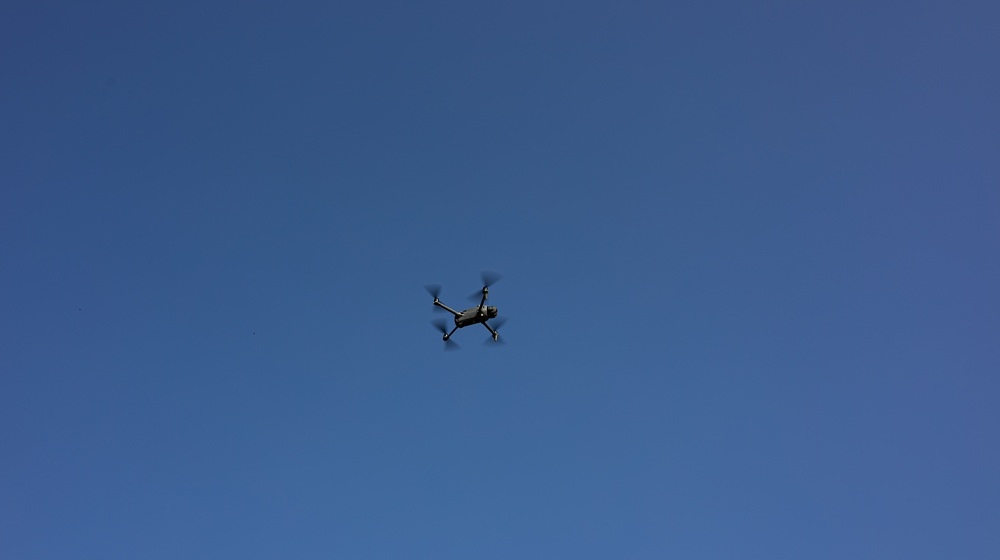
The rise of drones has created new safety challenges for large public events, as they can easily enter and disrupt event airspace. Whether it is a concert, festival, or sporting event, the ability of drones to move undetected raises numerous concerns. In this article, we examine why such events are increasingly vulnerable to drones and explore the strategies being implemented to counteract these risks. Read on to understand how evolving technology requires new protective measures for public events to ensure the security of public gatherings.
From the article you will learn:
- How modern drones pose unique challenges to the security of large-scale events.
- What capabilities make drones increasingly effective at evading traditional security measures.
- The current regulatory landscape and how it impacts the management of airspace security for events.
- The role of technology in detecting and neutralizing drone threats efficiently.
- The significant physical risks drones can introduce at public gatherings, including injury and property damage.
- How unauthorized drones can affect the overall experience of event attendees, including issues of noise and privacy.
- Emerging technologies and strategies aimed at improving drone threat management for future events.
- The importance of collaboration between event organizers and authorities in ensuring comprehensive event airspace security.
- How predictive measures are evolving to prevent unauthorized drone activity at public gatherings.
Understanding the rise of drone threats
Large-scale public events are increasingly vulnerable to drones due to the rapid proliferation and accessibility of unmanned aerial vehicles (UAVs). Modern drones are equipped with high-resolution cameras, GPS navigation, and payload capabilities, enabling operators to conduct surveillance, disrupt events, or even deliver harmful substances. The compact size and maneuverability of drones allow them to bypass traditional security measures, making it challenging to detect and neutralize potential threats. This escalation underscores the pressing need to address drone threats at public gatherings to ensure the safety of attendees and the integrity of the events.
For public events, the presence of unauthorized drones poses significant risks, including potential collisions with infrastructure, interference with emergency response operations, and the possibility of panic among attendees. The increasing affordability and ease of access to drone technology have led to a surge in their use, both recreationally and maliciously. Consequently, event organizers and security personnel must implement comprehensive strategies to mitigate these risks, such as establishing no-fly zones, deploying anti-drone systems, and collaborating with authorities to monitor and control event airspace security.
Regulations and limitations in event airspace control
The Federal Aviation Administration (FAA) enforces Temporary Flight Restrictions (TFRs) to limit aircraft operations, including drones, during large public gatherings. These TFRs are typically active from one hour before to one hour after the event in hopes of preventing unauthorized drone activity. However, the effectiveness of TFRs is contingent upon timely issuance and public awareness. For instance, during the July 4th celebrations, only 19 TFRs were issued nationwide, leaving many events without formal airspace protection. This gap underscores the need for more consistent and comprehensive implementation of TFRs to enhance event airspace security.
Additionally, the FAA’s Remote ID regulation mandates that registered drones broadcast identifying and location information during flight, akin to a digital license plate. This requirement aims to enhance accountability and facilitate the identification of unauthorized drones. However, the enforcement of these regulations is challenging due to the rapid proliferation of drone technology and the limited resources available for monitoring compliance. Event organizers must navigate these regulatory complexities while implementing proactive measures, such as deploying detection systems and collaborating with authorities, to effectively manage airspace security for public events.
Technology’s role in enhancing security
To counter rising drone threats at public events, advanced anti-drone systems use detection, identification, and neutralization to secure event airspace. Detection methods include radar, radio frequency (RF) scanning, and electro-optical/infrared (EO/IR) sensors, which work collaboratively to identify and track drones within the event’s airspace. Once a drone is detected, identification processes analyze its characteristics to assess the level of threat it poses. Neutralization methods include RF jamming to block control signals, GPS spoofing to confuse navigation, or using net guns to capture drones physically.
These integrated approaches are crucial in safeguarding attendees and maintaining the integrity of public events. The implementation of anti-drone systems for public events not only addresses immediate security concerns but also serves as a deterrent against potential drone-related incidents. By proactively deploying these technologies, event organizers can effectively manage event airspace security, ensuring a safe environment for all participants. The continuous evolution of anti-drone technologies reflects the commitment to staying ahead of emerging threats, thereby preserving the safety and enjoyment of public gatherings.
Impact of drones on the safety and experience of attendees
The increasing prevalence of drones at public events introduces significant safety risks and disrupts the overall attendee experience. Unauthorized drones can malfunction, leading to crashes that may injure individuals or damage property. In crowded settings, such incidents are particularly hazardous, as drones can collide with infrastructure or other aircraft, escalating the potential for harm. Moreover, the presence of drones can cause panic among attendees, leading to chaos and possible stampedes. This illustrates the danger of drone threats at public gatherings.
Beyond physical dangers, drones can significantly disrupt the event experience. Their noise and intrusive presence can detract from performances, causing distractions and diminishing enjoyment. Additionally, drones equipped with cameras raise privacy concerns, as they can capture unauthorized footage of attendees, leading to discomfort and potential legal issues. To address these challenges, event organizers must implement comprehensive drone management strategies, including establishing no-fly zones, deploying detection systems, and collaborating with authorities to ensure the safety and satisfaction of all participants at public events.
Future trends in drone threat management
The future of drone threat management at public events is poised to leverage advanced anti-drone systems to bolster event airspace security. Emerging technologies, such as the Telemachus jammer developed by the Hellenic Aerospace Industry, are designed to detect and neutralize small enemy drones, including low-flying FPV and fiberoptic-guided UAVs. This portable system utilizes radar and jamming technologies to counter threats like drone swarms and mini UAVs, enhancing air defense capabilities for public events.
Additionally, the Slinger weapon system by Electro Optic Systems offers a low-cost counter-drone solution, capable of intercepting drones with a cost per engagement ranging from $155 to $1,550. Its design allows for rapid deployment and effective neutralization of drone threats, making it suitable for protecting large-scale public events. These advancements signify a proactive approach to event airspace security, ensuring the safety and enjoyment of attendees by mitigating unauthorized drone activities.
FAQ
Unauthorized drones can pose significant risks at large public events, including potential collisions leading to injuries or property damage, disruption of event proceedings, and invasion of privacy through unauthorized recording. Additionally, drones can be used for malicious purposes, such as carrying contraband or conducting surveillance.
Anti-drone systems enhance event airspace security by detecting, identifying, and neutralizing unauthorized drones. These systems employ technologies like radar, radio frequency scanning, and electro-optical sensors to monitor airspace, and can disrupt or disable drones through methods such as jamming or GPS spoofing, thereby preventing potential threats.
Event organizers face challenges such as navigating complex regulatory environments, ensuring the detection systems are effective against rapidly evolving drone technologies, and integrating these systems without disrupting the event experience. Additionally, balancing security measures with attendee privacy and managing costs are significant considerations.
Yes, deploying anti-drone technologies is subject to legal restrictions that vary by jurisdiction. Regulations may govern the use of jamming devices, the interception of drones, and the establishment of no-fly zones. Event organizers must collaborate with legal authorities to ensure compliance with all applicable laws and regulations.
Attendees can contribute by adhering to event guidelines regarding drone usage, reporting any unauthorized drone activity to event security personnel, and staying informed about the potential risks associated with drones. Public awareness and cooperation are vital components of a comprehensive event airspace security strategy.
Recent Comments