
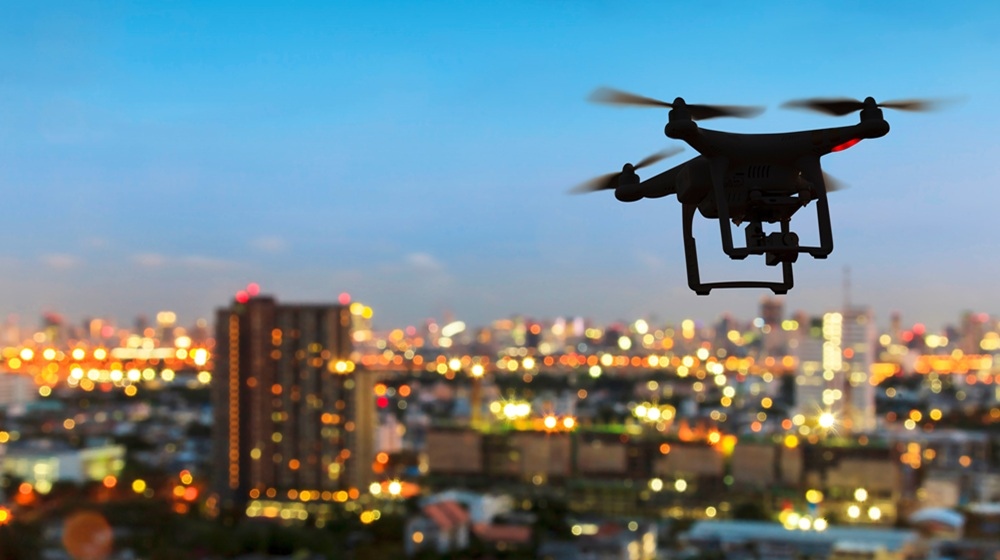
Drones are becoming an important tool in VIP security. Their ability to provide aerial surveillance and rapid response capabilities makes them indispensable tools for security professionals. With the rise of sophisticated threats, the need for advanced security measures is more critical than ever. Drones not only offer a bird’s-eye view of the protected environment but also enable security personnel to detect potential threats from a safe distance. This article explores how drones are transforming VIP security environments, highlighting their impact on executive protection strategies.
From the article you will learn:
- How drones are integrated into modern security protocols to enhance VIP protection.
- The specific benefits drones bring to surveillance, including real-time aerial views.
- Ways in which drones contribute to more affordable security operations.
- The role of drones in improving rapid response times and the accuracy of threat detection.
- How anti-drone systems play a crucial role in countering unauthorized UAVs.
- The adaptability of drones in diverse environments, from urban to remote areas.
- Future trends and technological advancements shaping drone security applications.
- The importance of integrating drones with existing security infrastructures.
- How evolving drone technology ensures superior protection for high-profile individuals.
Revolutionizing surveillance and reconnaissance
Drones are revolutionizing VIP security environments by significantly enhancing surveillance and reconnaissance capabilities. Their ability to provide real-time aerial views allows security teams to monitor expansive areas efficiently, ensuring comprehensive coverage of the protected environment. This aerial perspective enables the rapid identification of potential threats, facilitating swift and informed decision-making processes. By integrating drones into security protocols, teams can maintain a constant watch over VIPs, adapting to dynamic situations with agility and precision.
The presence of unauthorized drones poses new challenges, making the implementation of anti-drone systems essential for executive protection. These systems detect, identify, and neutralize unauthorized drones, preventing potential breaches and ensuring the safety of high-profile individuals. By combining advanced surveillance drones with robust anti-drone measures, security teams can establish a fortified perimeter, effectively safeguarding VIPs against both conventional and emerging aerial threats.
Enhancing rapid response and threat detection
Drones are transforming VIP security environments by significantly enhancing rapid response times and threat detection accuracy. Their ability to swiftly deploy and provide real-time aerial intelligence enables security teams to assess and address potential threats with unprecedented speed. This agility is crucial for executive protection, where every second counts in mitigating risks. By integrating drones into security protocols, teams can monitor expansive areas, identify anomalies, and coordinate responses more effectively, ensuring a proactive stance against potential dangers.
The risk of unauthorized drones infiltrating secure zones underscores the need for anti-drone systems, which are vital for executive protection. These systems detect, identify, and neutralize such aerial threats, ensuring the safety of high-profile individuals. By combining advanced surveillance drones with robust anti-drone measures, security teams can establish a fortified perimeter, effectively safeguarding VIPs against both conventional and emerging aerial threats.
Cost-effective security solutions
Integrating drones into VIP security operations offers an affordable alternative to traditional surveillance methods. By deploying drones, security teams can significantly reduce the need for extensive manpower and expensive equipment, leading to substantial savings. Drones provide continuous aerial surveillance, eliminating the necessity for multiple security shifts and reducing operational expenses. Their ability to cover large areas efficiently means fewer personnel are required on the ground, optimizing resource allocation. Drones can also handle inspections and perimeter monitoring, reducing the need for staff and lowering costs.
Balancing the affordability of drone integration requires the implementation of anti-drone systems, which are crucial for executive protection. These systems prevent unauthorized aerial threats from compromising security measures. While representing an additional expense, their cost is justified by the enhanced security they provide. By combining drones with appropriate anti-drone systems, security teams can achieve a comprehensive and economical approach to executive protection, safeguarding VIPs against both conventional and emerging threats.
Adapting to dynamic environments
Drones are redefining VIP security environments by demonstrating exceptional adaptability across diverse settings, from bustling urban centers to remote locales. Their compact design and advanced maneuverability enable them to navigate complex urban landscapes, including narrow alleys and towering skyscrapers, providing comprehensive surveillance where traditional methods may falter. In remote areas, drones offer a reliable solution for monitoring vast, inaccessible terrains, ensuring continuous oversight without the logistical challenges associated with ground-based patrols.
The widespread adoption of drones necessitates integrating anti-drone systems for executive protection. These systems detect, identify, and neutralize unauthorized UAVs, ensuring that security measures remain robust and uncompromised. By combining the adaptability of surveillance drones with the protective capabilities of anti-drone systems, security teams can establish a dynamic and resilient defense framework, capable of responding to the evolving challenges inherent in diverse and dynamic environments.
Future trends in drone security technology
The evolution of drone technology is poised to significantly enhance VIP security environments, introducing advanced capabilities that integrate seamlessly with existing infrastructures. Emerging trends in drone security technology include:
- AI-Enhanced Detection Systems: Utilizing artificial intelligence to identify, classify, and track unmanned aerial vehicles, improving threat assessment accuracy.
- Multi-Sensor Fusion with AI Analytics: Combining data from various sensors—such as RF, radar, optical, and acoustic—with AI analytics to enhance situational awareness and reduce false positives.
- Advanced Signal Jamming and Cyber Countermeasures: Developing sophisticated jamming techniques and cyber defenses to neutralize unauthorized drones effectively.
- Portable and Modular Anti-Drone Solutions: Creating flexible, easily deployable systems that can be tailored to specific security needs and environments.
As these technologies advance, the role of anti-drone systems becomes increasingly critical for executive protection. Integrating these innovations ensures a robust defense against evolving aerial threats, maintaining the integrity of security protocols and safeguarding high-profile individuals.
FAQ
Drones provide real-time aerial surveillance, allowing security teams to monitor large areas efficiently. Their rapid deployment and maneuverability enable quick identification and assessment of potential threats, enhancing the overall security posture for VIPs.
Anti-drone systems are technologies designed to detect, identify, and neutralize unauthorized drones. They are crucial for executive protection as they prevent potential aerial threats from compromising the safety of high-profile individuals by ensuring that only authorized drones operate within secured airspace.
Yes, integrating drones into security operations can reduce costs by decreasing the need for extensive manpower and traditional surveillance equipment. Drones can cover large areas quickly and provide continuous monitoring, leading to more efficient resource allocation and cost savings.
Drones are highly adaptable and can operate effectively in various environments, from urban settings with complex structures to remote areas with challenging terrains. Their versatility allows security teams to maintain effective surveillance and adapt to rapidly changing circumstances.
Future advancements include AI-enhanced detection systems, multi-sensor fusion, advanced signal jamming, and portable anti-drone solutions. These innovations aim to improve performance, integration with existing security infrastructures, and provide superior protection for high-profile individuals.
Recent Comments