
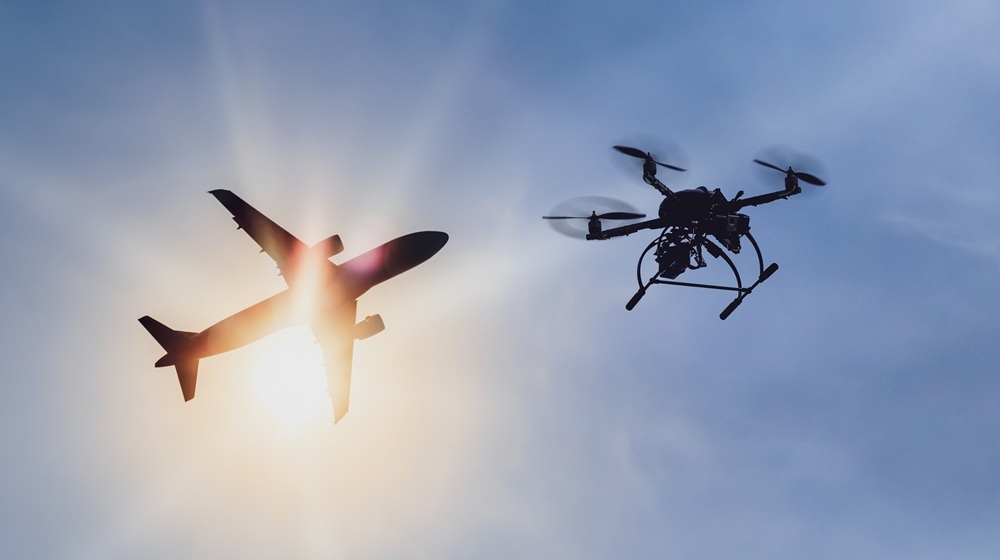
Drones are now widely used for fun and business, but flying them in restricted areas, like sports events or concerts, can create serious security risks. When a drone enters a stadium without permission, it can lead to serious disruptions, panic, and even emergencies. Understanding how these situations can escalate and how to manage them effectively is essential for ensuring the safety and enjoyment of all attendees. In this article, we will explore the potential threats posed by drones in such environments and discuss strategies for effective drone threat management.
From the article you will learn:
- The potential dangers posed by unauthorized drones entering stadiums during large events and the impact on public safety.
- Specific incidents where drone incursions have disrupted events, highlighting the need for improved security measures.
- The psychological effects of drone disruptions on crowds and the challenges they create for security personnel.
- The current technologies and protocols employed by stadiums to detect and manage unauthorized drone activity.
- Innovative strategies and emerging technologies being developed to enhance future drone threat management.
- The crucial role that legislation plays in controlling drone usage around stadiums and supporting security efforts.
- How collaboration between federal and local authorities can improve responses to drone threats.
- What changes in policy and technology are needed to adapt to evolving drone-related security challenges.
Drone incidents: a growing concern in stadiums
Unauthorized drone incursions into stadiums during events have become a significant concern, posing potential dangers and disruptions. These incidents can escalate into stadium-wide emergencies, jeopardizing the safety of attendees and staff. In 2023 alone, over 4,000 illegal drone flights were recorded at nearly 60 stadiums worldwide during major sporting events, marking a nearly 20% increase from the previous year. Such unauthorized flights can lead to event delays, cause panic among spectators, and divert security resources from other critical tasks.
The Federal Aviation Administration (FAA) prohibits drones from flying within 3 miles of stadiums during major events, yet violations persist, highlighting the need for effective management strategies. One notable incident occurred during the AFC Championship game on January 28, 2024, at Baltimore’s M&T Bank Stadium, where an unauthorized drone flight led to a temporary suspension of the game. This event underscores the potential for incident disruption and emphasizes the importance of robust protocols to ensure safety and the smooth operation of events.
How drones can disrupt events and cause panic
Unauthorized incursions during events have led to significant disruptions and safety concerns. For instance, on January 15, 2025, an intrusion at M&T Bank Stadium in Baltimore caused a temporary halt during a Ravens playoff game against the Pittsburgh Steelers. Similarly, on September 4, 2024, a Green Day concert at Detroit’s Comerica Park was interrupted when a drone flew over the venue, prompting the band to leave the stage for safety reasons. These incidents underscore the pressing need for effective drone threat management strategies to ensure event continuity.
The psychological impact of such disruptions on attendees is profound. The sudden appearance of a drone can induce panic, leading to chaotic evacuations and potential injuries. The uncertainty surrounding the intent—whether it’s a harmless hobbyist’s device or a potential threat—exacerbates anxiety among spectators. Logistically, these incidents strain security resources, diverting attention from other critical areas and complicating crowd control measures. Implementing comprehensive protocols is essential to mitigate these risks and maintain a secure environment.
Security measures currently in place
To mitigate the risks associated with unauthorized incursions, stadiums have implemented a range of security measures aimed at effective management. These measures are designed to detect, identify, and neutralize potential threats, ensuring the safety of attendees and the smooth operation of events.
Key security measures currently in place include:
- Detection systems: Utilizing technologies such as radio frequency (RF) sensors, radar, and acoustic sensors, these systems can detect and track unauthorized devices within the airspace. MetLife Stadium employs the AirWarden™ system, which detects, tracks, and classifies devices and their operators, providing real-time alerts to security teams.
- Geofencing technology: Implementing virtual boundaries that restrict flights over stadiums, geofencing helps prevent unauthorized access. Many manufacturers incorporate geofencing features that automatically prevent devices from entering restricted areas.
- Public awareness campaigns: Educating the public about the dangers and legal implications of flying near stadiums is crucial. The FAA and the Stadium Managers Association have launched campaigns like “It’s Game/Race Day: Leave Your Drone at Home” to inform and deter potential violators.
- Collaboration with law enforcement: Stadiums work closely with local and federal authorities to enforce no-fly zones and respond swiftly to related incidents. This partnership ensures a coordinated approach to management.
- Advanced counter-technologies: Some venues are exploring or implementing systems capable of neutralizing unauthorized devices. These technologies can safely disable or redirect them, preventing potential harm.
By integrating these security measures, stadiums aim to create a secure environment that addresses the evolving challenges posed by unauthorized activities. Continuous evaluation and enhancement of these protocols are essential to stay ahead of emerging threats.
Drone threat management strategies for the future
As drone technology continues to evolve, stadiums are exploring advanced strategies to enhance management and ensure the safety of attendees. One promising development is the integration of high-power microwave weapons, which emit targeted bursts of radio-frequency energy to disable multiple devices simultaneously, effectively neutralizing swarm threats.
Additionally, the deployment of autonomous counter-systems offers wide-area aerial security by detecting and neutralizing threats using AI-driven technologies. These systems can be integrated with existing stadium infrastructure to provide real-time monitoring and response capabilities. Furthermore, the development of portable anti-drone devices, such as jammers, allows for flexible and rapid deployment to counter unauthorized devices during events.
Role of legislation in managing drone threats
Legislation plays a pivotal role in drone threat management around stadiums, establishing clear boundaries and enforcement mechanisms to prevent unauthorized activities. The FAA enforces a prohibition on operations within a three-nautical-mile radius of stadiums hosting events such as Major League Baseball, National Football League, NCAA Division One Football, and major racing series, effective from one hour before to one hour after the event. To bolster these federal measures, state and local governments are advocating for enhanced authority to address threats.
The DEFENSE Act seeks to empower state and local law enforcement with the capability to disable unauthorized devices during sporting events, thereby strengthening security. Additionally, the SAFER SKIES Act allows state, local, tribal, and territorial law enforcement agencies to take necessary actions against devices posing credible threats, provided they complete federally mandated training and use authorized technologies. These laws highlight the need for federal and local authorities to work together, giving local law enforcement the tools to better secure large public events.
FAQ
Unauthorized drones can disrupt events, cause panic among attendees, and pose safety hazards by potentially colliding with structures or individuals. They may also be used for illicit activities, such as unauthorized surveillance or delivery of contraband.
There has been a significant increase in drone incursions at stadiums, leading to event delays and heightened security concerns. For instance, in 2023, over 4,000 illegal drone flights were recorded at nearly 60 stadiums worldwide during major sporting events.
Stadiums employ various technologies, including radio frequency sensors, radar, and acoustic sensors, to detect and track unauthorized drones. Some venues also use geofencing to create virtual boundaries that restrict drone flights over stadiums.
The Federal Aviation Administration (FAA) prohibits drones from flying within 3 miles of stadiums during major events. Additionally, legislation like the Disabling Enemy Flight Entry and Neutralizing Suspect Equipment (DEFENSE) Act has been introduced to empower state and local law enforcement to disable unauthorized drones during sporting events.
The public can help by adhering to FAA regulations, avoiding flying drones near stadiums during events, and reporting any suspicious drone activity to authorities. Public awareness campaigns also play a crucial role in educating drone operators about the risks and legal implications of unauthorized flights.
Recent Comments