
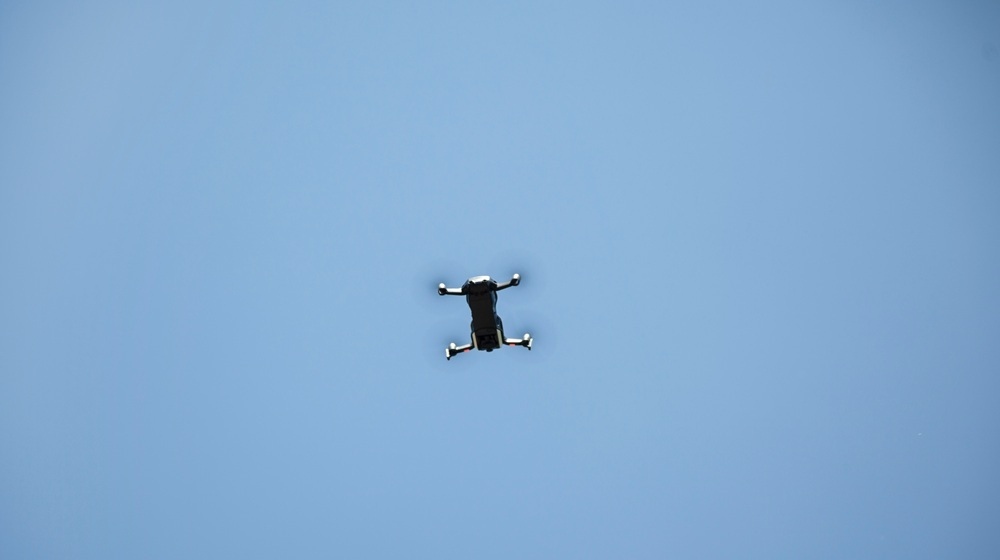
As technology advances, businesses face new threats like drone surveillance. These drones can spy from above, putting sensitive information and intellectual property at risk. With drones becoming more common and powerful, protecting company data is more important than ever. This article explores the challenges and solutions associated with safeguarding intellectual property from prying eyes above. We will delve into anti-drone systems and strategic approaches designed to thwart unauthorized aerial surveillance, keeping your business’s secrets safe from drone industrial espionage. Read on to discover essential strategies for corporate IP protection.
From the article you will learn:
- The significant impact of drones on industrial espionage and methods to mitigate this emerging threat.
- How to implement effective anti-drone technologies to secure your corporate secrets from aerial reconnaissance.
- Strategies for enhancing corporate security policies to better protect intellectual property from unauthorized drone activities.
- Legal considerations concerning the use of drones and the deployment of countermeasures in compliance with regulatory frameworks.
- The latest advancements in drone defense technologies, including AI-enhanced detection systems and high-energy laser weapons.
- Practical steps companies can take to bolster their defenses against drone-induced data breaches and the theft of proprietary information.
- The role of employee training and awareness programs in fortifying your organization’s defenses against drone-related threats.
- Insights into future trends and technological innovations in the ongoing battle against drone-based industrial espionage.
Understanding drone threats to corporate secrets
Drones, equipped with advanced imaging and data collection technologies, have emerged as potent tools for drone industrial espionage. These unmanned aerial vehicles can silently infiltrate corporate airspace, capturing high-resolution images of sensitive areas, intercepting wireless communications, and even deploying devices to exploit network vulnerabilities. Such capabilities enable unauthorized entities to access proprietary information, trade secrets, and confidential data without physical intrusion, posing significant risks to corporate IP protection.
The accessibility and affordability of drone technology have exacerbated these threats, allowing competitors and malicious actors to conduct surveillance with minimal detection. Traditional security measures often overlook aerial vulnerabilities, leaving organizations exposed to drone industrial espionage. The legal landscape further complicates defense strategies, as regulations may restrict the actions companies can take against unauthorized drones in their airspace. Businesses must use strong security measures to protect their physical and digital assets.
Implementing anti-drone technology
Protecting intellectual property from drone-based reconnaissance necessitates the deployment of advanced anti-drone systems. These technologies are essential for corporate IP protection, as they detect, track, and neutralize unauthorized drones that may engage in drone industrial espionage. Implementing such systems involves a multi-layered approach, combining various detection and mitigation strategies to safeguard sensitive information. Detection technologies form the first line of defense. Radar systems provide real-time threat detection and tracking capabilities. These systems can identify multiple drones simultaneously, ensuring comprehensive surveillance.
Additionally, radio frequency (RF) sensors are employed to detect and locate drones by analyzing their communication signals. Once a drone is detected, mitigation measures are activated. Electronic warfare techniques, including jamming and spoofing, disrupt the drone’s control and navigation systems, rendering it inoperative. In scenarios where electronic countermeasures are insufficient, kinetic solutions like interceptor drones or net-based capture systems can physically neutralize the threat. By integrating these anti-drone systems, organizations can effectively protect their intellectual property from aerial reconnaissance and spying.
Strategies for enhancing corporate IP security
For corporate IP protection, organizations should implement strict access controls, ensuring that only authorized personnel can access sensitive areas and information. This includes biometric authentication systems and multi-factor authentication protocols to prevent unauthorized entry. Additionally, establishing clear policies regarding the use of personal devices and external storage media within the workplace can mitigate the risk of data leaks. Regular employee training programs are essential to raise awareness about the threats posed by drone industrial espionage and to educate staff on recognizing and reporting suspicious aerial activities.
Conducting periodic security audits and risk assessments helps identify vulnerabilities and ensures that security measures remain effective against evolving threats. On the technological front, deploying advanced surveillance systems capable of detecting and tracking unauthorized drones is crucial. Integrating radar and radio frequency sensors can provide real-time alerts, enabling swift responses to potential threats. Implementing anti-drone systems, such as jamming devices or interceptor drones, can neutralize unauthorized UAVs before they compromise sensitive information. Using encryption and secure communication channels helps protect sensitive data from interception.
Legal considerations and regulations
For corporate IP protection, companies must navigate complex regulations that govern both the use of drones and the deployment of anti-drone systems. In many jurisdictions, drones are classified as aircraft, and interfering with them can lead to severe legal consequences. Therefore, organizations must ensure that any measures taken to protect their intellectual property comply with existing aviation and communication regulations. Implementing anti-drone systems involves careful consideration of legal constraints.
Technologies like jammers, which disrupt drone communications, are often restricted due to potential interference with other critical communications. Similarly, kinetic solutions, such as shooting down drones, are typically prohibited as they can endanger public safety and violate laws against damaging aircraft. To legally safeguard their intellectual property, companies should focus on passive detection systems that monitor and alert security personnel to unauthorized drone activity without actively interfering. Additionally, collaborating with law enforcement and obtaining necessary permissions can provide a lawful framework for deploying certain countermeasures.
Future trends in drone defense
The escalating threat of drone industrial espionage has spurred significant advancements in anti-drone systems, with emerging technologies poised to enhance corporate security. Artificial intelligence (AI) is at the forefront, enabling sophisticated detection and response mechanisms. AI-driven systems can analyze patterns in drone activity, predict potential intrusion points, and orchestrate multi-layered defense strategies in real-time. This integration of AI enhances the precision and efficiency of anti-drone systems, providing a robust shield against unauthorized aerial surveillance.
Additionally, the development of high-energy laser weapons offers a precise and scalable solution to neutralize rogue drones. These systems can disable or destroy drones by targeting their sensitive components, effectively mitigating threats without collateral damage. Furthermore, the advent of portable and modular anti-drone solutions allows for flexible deployment across various environments, ensuring comprehensive protection for corporate assets. By adopting these cutting-edge technologies, companies can fortify their defenses against the evolving challenges posed by drone industrial espionage.
FAQ
Drones can conduct unauthorized surveillance, capturing sensitive information through high-resolution imaging and data interception, leading to potential intellectual property theft.
Organizations can deploy detection systems such as radar, radio frequency sensors, and optical cameras to identify and monitor unauthorized drone activity in real-time.
Yes, companies must comply with regulations governing airspace and electronic communications, ensuring that any anti-drone measures do not violate federal laws or infringe on privacy rights.
Effective technologies include jamming devices, interceptor drones, and geofencing systems designed to prevent unauthorized drones from entering restricted airspace.
Training programs can educate staff on recognizing drone threats, reporting incidents, and adhering to security protocols to mitigate risks associated with drone surveillance.
Implementing strong encryption protocols ensures that intercepted communications remain unreadable, thereby protecting sensitive information from unauthorized access.
While physical barriers may obstruct line-of-sight surveillance, drones can often bypass such obstacles; thus, a combination of physical and technological measures is recommended.
Regulations may limit the use of certain countermeasures; companies should consult legal experts to ensure compliance when deploying anti-drone technologies.
Emerging trends include AI-driven detection systems, high-energy laser weapons, and portable anti-drone solutions that offer more precise and scalable defense mechanisms.
Organizations should engage with industry groups, attend security conferences, and subscribe to relevant publications to remain informed about the latest developments in drone threats and defense technologies.
Recent Comments