
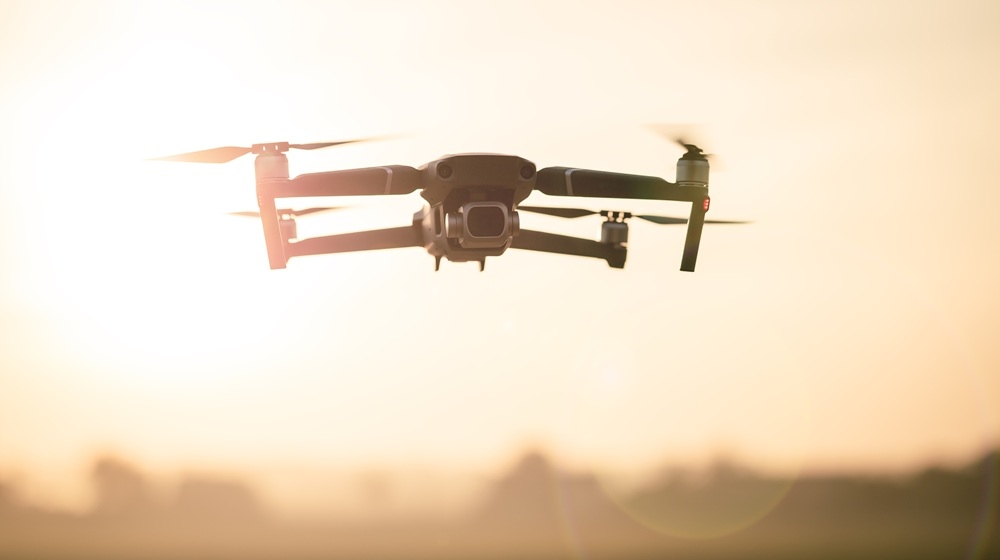
As live sports grow in popularity, the risk of disruptions also increases. Drones, in particular, can bypass stadium security and threaten the safety of players, fans, and staff. Ensuring these sports events proceed smoothly requires a proactive approach to counter UAV threats at stadiums. In this article, we will explore various strategies and technologies, such as anti-drone systems, that are being employed to shield these events from unwanted drone interference. Discover how advanced measures can protect the integrity and excitement of live sports. Join us as we delve into the world of drone threat prevention and its critical importance for the uninterrupted enjoyment of sports enthusiasts worldwide.
From the article you will learn:
- How drones have increasingly become a threat to the security and enjoyment of live sports events.
- The specific technologies used in modern anti-drone systems to detect and neutralize unauthorized UAVs.
- The crucial role of trained security personnel in monitoring UAV activity and implementing effective countermeasures during sports events.
- The regulations and legal frameworks established to govern drone usage near stadiums and the enforcement actions taken to uphold them.
- Innovative technologies under development that promise to further enhance the effectiveness of anti-drone measures.
- Real-world incidents where drones have disrupted sports events and the lessons learned from these situations.
- The potential future of drone defense, including AI advancements and automation in identifying and mitigating UAV threats.
Understanding UAV threats at stadiums
Unmanned Aerial Vehicles (UAVs), commonly known as drones, have become increasingly accessible, leading to a rise in unauthorized flights over crowded venues. These intrusions pose significant risks, including potential collisions with players or spectators, unauthorized surveillance, and the possibility of carrying hazardous payloads. The Federal Aviation Administration (FAA) enforces strict no-fly zones around stadiums during events, yet violations persist, highlighting the need for enhanced security measures.
Several incidents underscore the severity of this issue. In January 2024, an unauthorized drone hovered over M&T Bank Stadium during an NFL playoff game, causing a temporary suspension of play. The operator faced federal charges for violating airspace regulations. Similarly, in December 2024, a drone malfunction during a holiday show in Orlando resulted in injuries to a child, prompting investigations by the FAA. These events illustrate the disruptive potential of drones and the critical importance of implementing effective countermeasures to safeguard public gatherings.
Implementing anti-drone measures
Preventing drone disruptions at sports events requires comprehensive anti-drone systems that detect, track, and neutralize unauthorized UAVs, keeping athletes, fans, and staff safe. Detection methods include radio frequency (RF) sensors, radar, and optical cameras, which work together to identify and monitor drone activity within the stadium’s airspace. Once a threat is detected, mitigation strategies such as signal jamming, protocol takeover, or physical interception are employed to neutralize the drone. For instance, systems like the SkyDome, utilized during the FIFA World Cup in Qatar, integrate radar detection with interceptor drones to autonomously detect and defeat rogue UAVs.
Similarly, the EnforceAir2 system offers enhanced RF-cyber detection and mitigation capabilities, providing flexible deployment options tailored to complex stadium environments. In addition to technological solutions, physical barriers can serve as passive defense mechanisms. SkyGuard Defense Systems, for example, designs canopies that cover the seating areas and critical field-level assets, creating a physical barrier against aerial threats without obstructing sightlines or affecting the event experience. These canopies are engineered to intercept drones, preventing them from reaching spectators or infrastructure.
The role of security personnel in drone prevention
Ensuring the safety and continuity of live sports events requires a proactive approach to drone prevention, with trained security personnel playing a pivotal role. These teams are responsible for monitoring the airspace for unauthorized UAVs, utilizing advanced detection technologies such as radar, radio frequency sensors, and optical cameras to identify potential threats. Once a drone is detected, security personnel must swiftly assess the risk and implement appropriate countermeasures, which may include signal jamming, protocol takeover, or physical interception, all while minimizing disruption to the event and ensuring the safety of attendees.
In addition to technological interventions, security teams are tasked with maintaining a secure perimeter around the venue to prevent unauthorized drone operators from gaining proximity. This involves regular patrols, surveillance, and collaboration with local authorities to enforce no-fly zones and respond to incidents. Effective communication and coordination among security staff, event organizers, and law enforcement are essential to address UAV threats at stadiums promptly.
Legal considerations and regulations
The Federal Aviation Administration (FAA) enforces strict regulations to mitigate UAV threats at stadiums, particularly during major sporting events. Specifically, drone flights are prohibited within a three-nautical-mile radius of stadiums with a seating capacity of 30,000 or more, starting one hour before and ending one hour after events such as Major League Baseball, National Football League, NCAA Division One Football games, and major motor speedway races. Violations of these restrictions can lead to significant civil and criminal penalties, including fines up to $250,000 and imprisonment.
Enforcement of these regulations is a collaborative effort involving the FAA, local law enforcement, and stadium security personnel. The FAA issues Temporary Flight Restrictions (TFRs) to limit aircraft operations, including drones, at stadiums hosting large sporting events. These TFRs are in effect from one hour before until one hour after the event. Additionally, some states have enacted their own laws to further restrict drone operations near stadiums. For example, Texas prohibits drones from flying over sports venues with a seating capacity of at least 30,000.
Future innovations in drone defense
Advancements in anti-drone systems are poised to significantly enhance the security of live sports events. Emerging technologies such as high-power microwave weapons are designed to emit targeted bursts of energy that disable drone electronics, effectively neutralizing multiple UAVs simultaneously. Additionally, autonomous interceptor drones are being developed to identify, track, and neutralize unauthorized UAVs without human intervention, offering rapid response capabilities in dynamic environments.
Artificial intelligence is also playing a pivotal role in the evolution of anti-drone systems. AI-powered detection platforms are enhancing the precision and scalability of threat identification, enabling real-time decision-making to counter UAV threats effectively. These innovations, when integrated into the security protocols of sports venues, promise to provide robust defenses against drone-based disruptions, ensuring the safety and enjoyment of attendees.
FAQ
Unauthorized drones can pose significant risks at sports events, including potential collisions with players or spectators, unauthorized surveillance, and the possibility of carrying hazardous payloads. These threats can disrupt events, compromise safety, and infringe on privacy.
Anti-drone systems utilize technologies such as radar, radio frequency sensors, and optical cameras to detect unauthorized UAVs. Once detected, countermeasures like signal jamming, protocol takeover, or physical interception are employed to neutralize the threat, ensuring the safety of the event.
The Federal Aviation Administration (FAA) prohibits drone flights within a three-nautical-mile radius of stadiums with a seating capacity of 30,000 or more during major sporting events. This restriction is in effect from one hour before until one hour after the event. Violations can result in significant civil and criminal penalties.
Trained security personnel are crucial in monitoring for unauthorized drones during sports events. They utilize detection technologies, assess potential threats, and implement countermeasures to neutralize UAVs. Additionally, they maintain secure perimeters and collaborate with authorities to enforce no-fly zones.
Future innovations in anti-drone technology include high-power microwave weapons capable of disabling multiple UAVs simultaneously, autonomous interceptor drones that can identify and neutralize threats without human intervention, and AI-powered detection platforms that enhance precision and scalability in threat identification.
Yes, there have been incidents where unauthorized drones have disrupted sports events. For example, in January 2024, an unauthorized drone hovered over M&T Bank Stadium during an NFL playoff game, causing a temporary suspension of play. The operator faced federal charges for violating airspace regulations.
Sports venues can integrate anti-drone systems by incorporating detection and neutralization technologies into their security infrastructure, training security personnel on UAV threat response, establishing protocols for rapid threat assessment and response, and collaborating with local authorities to enforce airspace restrictions.
Recent Comments