
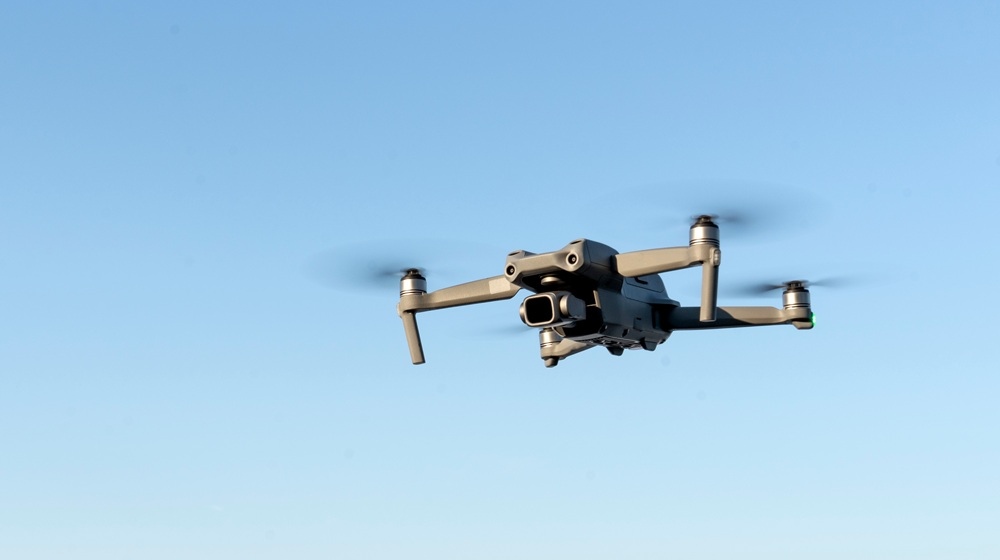
The rapid growth of drone technology brings new benefits but also new risks, including drone-related crime that law enforcement must address quickly. Police forces worldwide now encounter incidents ranging from illegal surveillance to contraband delivery conducted via drones. This situation underscores the need for comprehensive strategies and tools to combat the criminal use of drones effectively. In this article, we explore the scope of the threat drones pose to public safety and how law enforcement agencies can adapt to this evolving challenge. Discover how anti-drone systems and specialized training are becoming crucial in modern policing efforts.
From the article you will learn:
- How drone-related crimes have evolved with advancements in technology.
- The various illegal activities drones are being used for and their implications.
- The impact of unauthorized drone usage on community safety and privacy.
- Different technologies employed by law enforcement to counter drone threats.
- The role of collaborative efforts in enhancing anti-drone strategies.
- Emerging trends in drone detection and prevention technologies.
- How current laws are adapting to address the challenges posed by drones.
- The importance of continuous training for law enforcement concerning drone threats.
- Future projections on drone regulation adjustments and enforcement strategies.
- How communities can partner with law enforcement to report drone-related incidents.
Understanding the criminal use of drones
The rise of drones has created new challenges for law enforcement, as criminals use them for smuggling, spying, and entering restricted areas. For instance, there have been documented cases where drones were used to deliver drugs and weapons into correctional facilities, compromising security and endangering both staff and inmates. Additionally, unauthorized drone flights over sensitive areas such as military installations and airports pose serious threats to national security and public safety. These incidents underscore the urgent need for law enforcement to develop and implement effective countermeasures to address the criminal use of drones.
To combat these emerging threats, law enforcement agencies are increasingly investing in advanced technologies and training programs. The deployment of anti-drone systems has become a critical component in detecting and mitigating unauthorized drone activities. These anti-drone systems enable authorities to monitor airspace, identify potential threats, and neutralize drones that violate regulations. Furthermore, collaboration between federal, state, and local agencies is essential to establish comprehensive policies and legal frameworks that govern drone usage.
Impacts of drone-related crime on communities
Unauthorized drone operations can lead to invasive surveillance, capturing images or videos of individuals without consent, thereby violating personal privacy. Additionally, drones equipped with payloads pose physical threats, as they can be used to transport illicit substances or even weapons, endangering public safety. The presence of drones in restricted areas, such as near airports or critical infrastructure, increases the risk of accidents and disruptions, further highlighting the need for effective countermeasures.
Failure to address these issues promptly can erode public trust in law enforcement’s ability to protect communities. Implementing anti-drone systems is essential to detect and neutralize unauthorized drones, thereby mitigating potential threats. These anti-drone systems enable authorities to monitor airspace effectively and respond swiftly to incidents, ensuring the safety and privacy of residents. Law enforcement must take proactive steps, like educating the public on drone rules and working with policymakers to create clear guidelines, to tackle drone-related crimes.
Current strategies police use against drone threats
The escalating threat of drone-related crimes has compelled law enforcement agencies to adopt multifaceted strategies to mitigate these risks effectively. A cornerstone of these efforts is the deployment of anti-drone systems, which are designed to detect, track, and neutralize unauthorized drones. These systems employ a range of technologies, including radar, radio frequency sensors, and optical cameras, to identify potential threats. Upon detection, various countermeasures such as signal jamming, directed energy weapons, or net-based capture devices are utilized to disable or intercept the offending drones. The effectiveness of these anti-drone systems is crucial for law enforcement, as they provide a proactive means to prevent illicit drone activities and enhance public safety.
In addition to technological solutions, comprehensive training programs are essential for law enforcement personnel to stay abreast of evolving drone technologies and countermeasures. These programs focus on recognizing unauthorized drone operations, understanding the capabilities and limitations of anti-drone systems, and implementing appropriate response protocols. Collaboration with other agencies, including federal authorities and private sector partners, further strengthens the collective ability to address drone-related threats.By sharing information and resources, law enforcement can work together to effectively prevent drone misuse and protect communities.
Emerging technologies in drone detection and prevention
The fast growth of drone technology has led to advanced anti-drone systems to combat criminal use. One example is India’s Indrajaal Autonomous Drone Defence Dome, which can secure up to 4,000 square kilometers of airspace. It utilizes artificial intelligence to detect and neutralize threats ranging from consumer drones to drone swarms, employing radar, radio frequency sensors, and optical cameras. Similarly, the United Kingdom’s RapidDestroyer is a high-power microwave weapon designed to track, target, and defeat swarms of drones by emitting powerful bursts of high-frequency radio waves that disable drone electronics.
In addition to these systems, Greece has developed the Centauros anti-drone system, which has been combat-proven in naval operations. It features continuous and automatic tracking of multiple aerial targets and employs electronic jamming to neutralize drones by disrupting their control and navigation systems. Furthermore, the Iperion anti-drone system, also from Greece, is a lightweight, portable weapon designed to detect, identify, and neutralize small to medium unmanned aerial vehicles, providing a layered defense against aerial threats.
The future of law enforcement and drone regulations
The rapid evolution of drone technology necessitates that law enforcement agencies proactively adapt to emerging challenges. The criminal use of drones is expected to become more sophisticated, requiring agencies to stay ahead through continuous training and technological integration. Implementing advanced anti-drone systems and developing comprehensive response protocols are essential steps in mitigating potential threats.
Regulatory frameworks must evolve in tandem with technological advancements to effectively address the misuse of drones. Collaborative efforts between federal, state, and local authorities are crucial in establishing clear guidelines that balance public safety with individual rights. By fostering partnerships and investing in ongoing education, law enforcement can enhance their capabilities to manage drone-related incidents, ensuring the safety and security of communities.
FAQ
Criminal use of drones includes activities such as unauthorized surveillance, smuggling contraband into restricted areas, interfering with manned aircraft, and conducting illicit reconnaissance. These actions pose significant threats to public safety and privacy.
Anti-drone systems detect, track, and neutralize unauthorized drones using technologies like radar, radio frequency sensors, and optical cameras. Countermeasures may involve signal jamming, directed energy weapons, or net-based capture devices to disable or intercept offending drones.
Privacy concerns arise from drones’ ability to conduct extensive surveillance, potentially capturing images or videos of individuals without consent. This capability raises questions about the balance between public safety and individual privacy rights.
Drone regulations are continually updated to address emerging threats by establishing clear guidelines for drone usage, enhancing penalties for misuse, and defining the roles of law enforcement in monitoring and enforcing compliance.
Public collaboration is crucial in combating drone-related crimes. Community members can assist by reporting suspicious drone activities, participating in public forums on drone regulations, and staying informed about legal drone usage to support law enforcement efforts.
Recent Comments