
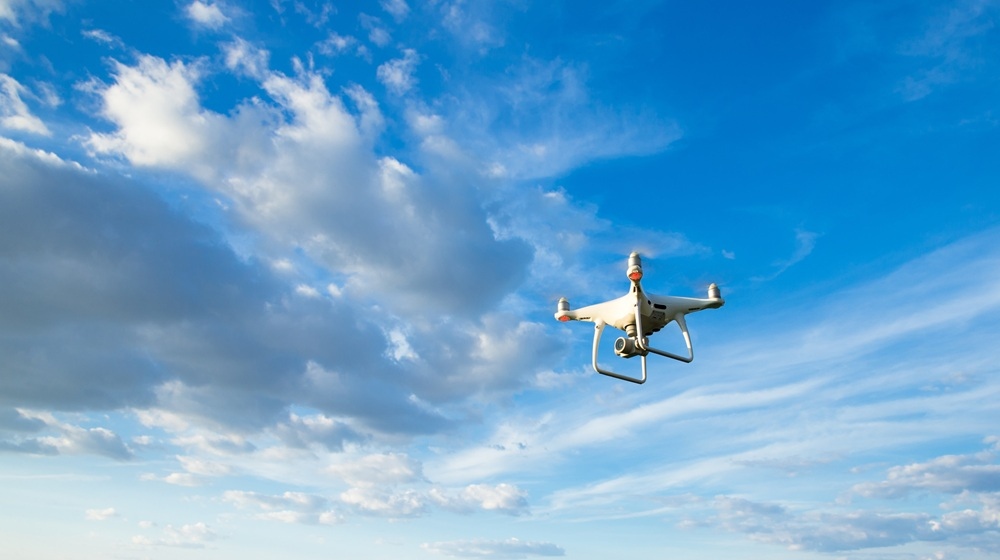
With rapid technological advances, keeping large gatherings safe has become more challenging. Event security teams face a range of potential threats from the air, making it crucial to be vigilant and proactive. This article delves into various aerial threat scenarios that could impact events, providing key insights and strategies for security professionals. With the increasing use of drones and other airborne devices, understanding these risks is vital for any comprehensive security plan. Read on to discover essential scenarios and how to safeguard against them.
From the article you will learn:
- The importance of understanding various aerial threats and their impact on event security.
- How advanced technologies enhance the detection and management of unauthorized drones.
- The role of a well-planned security strategy to mitigate risks from aerial threats.
- Examples of innovative counter-drone technologies and their applications in safeguarding events.
- What factors contribute to the vulnerability of an event and how to assess them.
- Ways to integrate modern systems and strategies into existing security protocols for comprehensive protection.
- The future trends in aerial threat management and how they are shaping event security practices.
- Insights into ensuring the safety of attendees through proactive and reactive measures.
Understanding aerial threats in event security
Event security teams must be vigilant against a range of aerial threats that can compromise the safety of attendees and the integrity of the event. Unauthorized drones, for instance, can be used for illicit surveillance, capturing sensitive information or monitoring security protocols. Additionally, drones can carry payloads such as explosives or hazardous substances, posing direct physical threats to large gatherings. The potential for these devices to disrupt events, whether through intentional attacks or accidental interference, underscores the necessity for comprehensive aerial threat assessments.
Recognizing these threats early is crucial for event security. Integrating a drone detection system into security protocols enhances the ability to identify and respond to unauthorized aerial activity promptly. Such systems utilize technologies like radar, radio frequency sensors, and visual tracking to detect drones within the event’s airspace. By implementing these measures, security teams can mitigate risks, ensuring a safer environment for all participants.
The role of technology in identifying aerial threats
Modern technology plays a pivotal role in identifying and mitigating aerial threats, enhancing the effectiveness of event security teams. Advanced drone detection systems are at the forefront of this effort, utilizing a combination of radar, radio frequency (RF) sensors, and optical cameras to monitor airspace for unauthorized drones. These systems can detect drones from considerable distances, providing real-time alerts and tracking information.
In addition to detection, counter-drone measures are essential for neutralizing threats before they escalate. Such technologies have been developed to disrupt or disable unauthorized drones. Examples include portable systems capable of jamming multiple drone signals, effectively preventing them from completing their missions. By integrating these advanced technologies into their security protocols, event security teams can proactively address aerial threats, ensuring the safety and integrity of events.
Assessing risk: what every security team should consider
Conducting a thorough risk assessment is essential for event security teams to identify and address potential aerial threats. This process involves evaluating the event’s location, size, and nature to determine vulnerabilities that could be exploited by unauthorized drones. Factors such as proximity to restricted airspace, the presence of high-profile individuals, and the density of the crowd are critical considerations. By understanding these elements, security teams can develop targeted strategies to mitigate risks and ensure the safety of attendees.
Integrating counter-drone measures into the security framework is a proactive approach to managing aerial threats. Implementing technologies like radio frequency (RF) jammers can disrupt unauthorized drone communications, effectively neutralizing potential threats. Additionally, deploying drone detection systems enhances the ability to monitor and control the airspace above the event. By combining these counter-drone strategies with comprehensive risk assessments, event security teams can create a robust defense against aerial threats, ensuring a secure environment for all participants.
Integrating counter-drone measures into security planning
Integrating counter-drone measures into event security planning is essential to safeguard attendees and maintain the integrity of the event. A comprehensive approach begins with deploying advanced drone detection systems that utilize radar, radio frequency (RF) sensors, and optical cameras to monitor the airspace for unauthorized drones. These systems provide real-time alerts, enabling security teams to respond promptly to potential threats.
Implementing counter-drone technologies is crucial for neutralizing threats before they escalate. Signal jammers can disrupt communications between drones and their operators, causing the devices to return to their origin or land safely. By integrating these counter-drone measures into the overall security framework, event organizers can proactively address aerial threats, ensuring a secure environment for all participants.
The future of aerial threat management in events
The future of aerial threat management in events is poised to be transformed by emerging technologies and innovative strategies. Advancements in drone detection systems are integrating artificial intelligence (AI) and machine learning to enhance the identification and classification of unmanned aerial vehicles. These AI-driven systems can analyze flight patterns and behaviors in real time, improving accuracy and reducing false positives.
For event security, the adoption of counter-drone measures is becoming increasingly sophisticated. Technologies such as high-power microwave weapons are being developed to neutralize multiple drones simultaneously, offering a cost-effective solution against drone swarms. As these technologies evolve, security teams must stay ahead by adopting and integrating these innovations into their protocols to ensure the safety and integrity of events.
FAQ
Unauthorized drones pose significant risks, including illicit surveillance, disruption of events, and potential delivery of hazardous payloads. Recognizing these threats is essential for maintaining safety and order during events.
Event security teams can utilize advanced drone detection systems that employ radar, radio frequency sensors, and optical cameras to monitor airspace and identify unauthorized drone activity in real time.
Effective counter-drone measures include signal jammers that disrupt drone communications, causing them to land or return to their origin, and technologies that can physically intercept or disable unauthorized drones.
Conducting thorough risk assessments allows security teams to identify vulnerabilities, evaluate potential aerial threats, and develop targeted strategies to mitigate risks, ensuring the safety of attendees and the integrity of the event.
Integrating counter-drone measures involves incorporating detection and neutralization technologies into the overall security framework, training personnel on their use, and establishing procedures for responding to aerial threats.
Emerging technologies such as artificial intelligence and machine learning are enhancing drone detection capabilities, while advanced counter-drone systems are being developed to more effectively neutralize threats, keeping security measures ahead of potential risks.
Drone detection systems can be configured to recognize and whitelist authorized drones based on specific identifiers, allowing security teams to focus on unidentified or unauthorized drone activity.
Regular training ensures that security personnel are proficient in operating detection and counter-drone systems, understand protocols for responding to threats, and can effectively coordinate with other team members during incidents.
Yes, deploying counter-drone technologies must comply with local and federal regulations, including laws governing airspace and electronic communications. It’s important to consult legal experts to ensure compliance.
Event organizers should stay updated on the latest developments in drone technology, threat intelligence, and security best practices by participating in industry conferences, engaging with security professionals, and reviewing relevant publications.
Recent Comments