
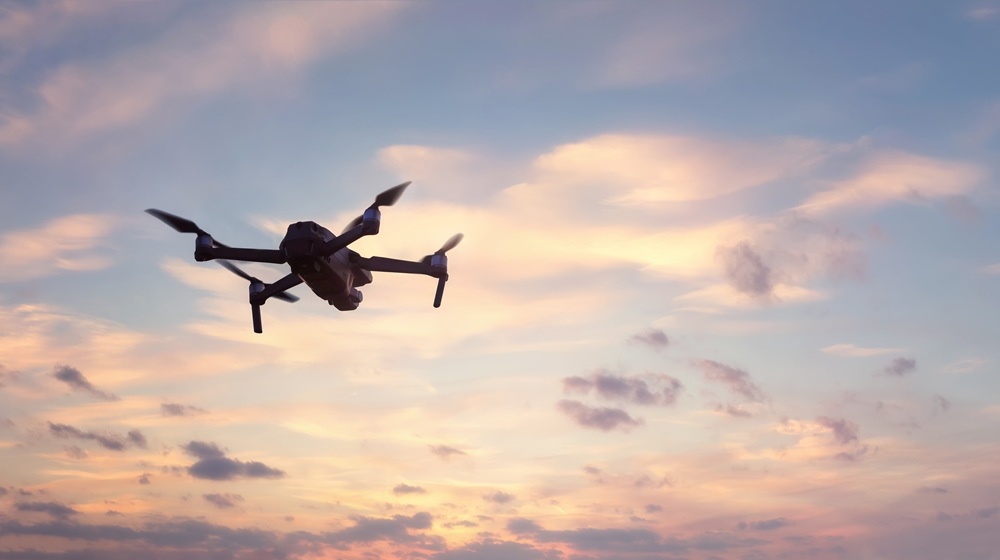
Securing government activities from aerial surveillance is a growing concern in today’s technologically advanced age. Drones, equipped with sophisticated imaging and data-collection tools, can pose significant threats to sensitive operations. As a response, implementing robust anti-drone systems and counter-UAS for public sector use has become essential. In this article, we delve into the challenges of maintaining operational security against aerial observation and explore the technologies and strategies designed to protect government interests.
From the article you will learn:
- How drones have advanced to become significant threats to secure government operations.
- The various types of anti-drone technologies and their specific roles in detecting and neutralizing drones.
- The importance of tailored counter-UAS solutions in protecting sensitive public sector areas.
- The impact of integrating counter-UAS technologies into existing governmental security infrastructures and the challenges involved.
- How future advancements in anti-drone technology, like AI and high-power microwave systems, are shaping protection strategies.
- Practical examples of government implementations of counter-UAS tech to enhance security.
- Insights into the regulatory considerations affecting the deployment of anti-drone measures.
- The role of international collaboration in improving drone defense tactics globally.
- Potential strategies for continuously evolving counter-UAS methods to keep pace with drone technology advancements.
The threat of aerial surveillance to government activities
Protecting sensitive government activities from aerial observation has become increasingly challenging due to the proliferation of unmanned aerial vehicles (UAVs), commonly known as drones. These devices, equipped with advanced imaging and data collection capabilities, can easily infiltrate restricted airspace, posing significant threats to national security. Unauthorized drones can conduct surveillance, gather intelligence, and even deliver payloads, compromising the confidentiality and integrity of critical operations. The accessibility and affordability of drone technology have exacerbated this issue, making it imperative for authorities to address the vulnerabilities in their airspace.
Unsecured airspace presents multiple risks, including espionage, disruption of operations, and potential physical attacks. To mitigate these threats, the implementation of anti-drone systems is essential. These systems are designed to detect, track, and neutralize unauthorized UAVs, ensuring the protection of sensitive government activities. By integrating advanced technologies such as radar detection, radio frequency jamming, and directed energy weapons, anti-drone systems provide a comprehensive defense against aerial surveillance and attacks. As drone technology continues to evolve, it is crucial for agencies to stay ahead by adopting and enhancing countermeasures to safeguard their operations from aerial threats.
Understanding anti-drone systems
Anti-drone systems are specialized technologies designed to detect, track, and neutralize unauthorized unmanned aerial vehicles (UAVs) that pose security threats. These systems employ a combination of detection and mitigation methods to safeguard sensitive areas from aerial intrusions. Detection technologies include radar systems that emit radio waves to identify objects in the airspace, radio frequency (RF) scanners that monitor communication signals between drones and their operators, and electro-optical/infrared (EO/IR) sensors that provide visual and thermal imaging for identifying UAVs. Acoustic sensors are also utilized to detect the unique sound signatures produced by drone motors and propellers.
Once a drone is detected, anti-drone systems employ various neutralization techniques. Electronic countermeasures, such as RF jamming, disrupt the communication link between the drone and its operator, causing the UAV to lose control and either land or return to its point of origin. GPS spoofing involves sending false navigation data to mislead the drone’s positioning system, effectively taking control of its flight path. Kinetic solutions include interceptor drones that physically capture or disable unauthorized UAVs mid-flight, and net-based systems that ensnare drones, rendering them inoperable. Directed energy weapons, such as high-energy lasers or microwave systems, can disable drones by damaging their electronic components. The integration of these technologies into comprehensive anti-drone systems is crucial for protecting government activities from aerial threats.
Benefits of counter-UAS technologies for the public sector
Implementing counter-UAS for public sector operations offers significant advantages in safeguarding sensitive information and enhancing security measures. These technologies provide real-time detection and mitigation of unauthorized unmanned aerial systems (UAS), ensuring that government facilities and operations remain protected from potential aerial threats. By integrating counter-UAS solutions, entities can proactively address vulnerabilities in their airspace, preventing espionage, unauthorized surveillance, and potential disruptions to critical infrastructure.
Moreover, counter-UAS for public sector applications contribute to a comprehensive security strategy by enabling rapid response to emerging threats. These systems can be tailored to specific operational needs, offering scalable solutions that adapt to various environments and threat levels. The deployment of counter-UAS technologies not only fortifies the defense of sensitive government activities but also instills public confidence in the ability to maintain secure and resilient operations in the face of evolving aerial challenges.
Integration of counter-UAS solutions in government infrastructure
Integrating counter-UAS for public sector operations into existing infrastructure involves addressing several practical challenges. One significant hurdle is the interoperability of counter-UAS technologies with current security systems. Careful planning and testing are needed to ensure clear communication and coordination between new counter-UAS solutions and existing protocols. Additionally, the deployment of these technologies must comply with stringent regulatory frameworks governing airspace and electronic communications. Navigating these legal landscapes is essential to avoid unintended interference with authorized aerial activities and to maintain public trust.
The integration process typically involves a phased approach, starting with a comprehensive assessment of existing security measures and identifying potential vulnerabilities to unauthorized UAS incursions. Subsequent steps include selecting appropriate counter-UAS technologies that align with the specific needs of the government entity, followed by pilot testing to evaluate effectiveness and identify any operational issues. Staff must be trained to use and maintain these systems so they can respond quickly and effectively. Counter-UAS tools help protect sensitive public operations from drone threats, but they may also require updated security procedures and better coordination between agencies.
Future trends in protecting government from aerial threats
Advancements in anti-drone systems are pivotal for governments aiming to counter evolving aerial threats. Emerging technologies such as high-power microwave (HPM) weapons and artificial intelligence (AI)-enhanced detection systems are at the forefront of this evolution. HPM weapons emit targeted bursts of radio-frequency energy to disable drone electronics, effectively neutralizing multiple UAVs simultaneously.
AI integration enhances the precision and adaptability of anti-drone systems, enabling accurate identification and tracking of unauthorized drones. By analyzing data from various sensors, AI algorithms can significantly reduce false alarms and enable swift responses. By adopting these innovations, governments can bolster their defense mechanisms, ensuring robust protection against the dynamic landscape of aerial threats.
FAQ
Anti-drone systems are technologies designed to detect, track, and neutralize unauthorized unmanned aerial vehicles (UAVs) that may pose security threats. These systems employ various methods to safeguard sensitive areas from aerial intrusions.
Detection methods include radar systems that identify objects in the airspace, radio frequency (RF) scanners that monitor communication signals between drones and their operators, and electro-optical/infrared (EO/IR) sensors that provide visual and thermal imaging for identifying UAVs.
Neutralization techniques involve electronic countermeasures like RF jamming to disrupt communication links, GPS spoofing to mislead navigation systems, kinetic solutions such as interceptor drones or net-based systems, and directed energy weapons like high-energy lasers to disable drones.
Implementing anti-drone systems is crucial for governments to protect sensitive operations from espionage, unauthorized surveillance, and potential disruptions, ensuring the confidentiality and integrity of critical activities.
Challenges include ensuring interoperability with existing security systems, complying with regulatory frameworks governing airspace and electronic communications, and updating current security protocols to accommodate new technologies.
Governments can stay ahead by adopting emerging technologies such as high-power microwave weapons and AI-enhanced detection systems, continuously monitoring and evaluating threats, and updating countermeasures to address advancements in drone technology.
Recent Comments