
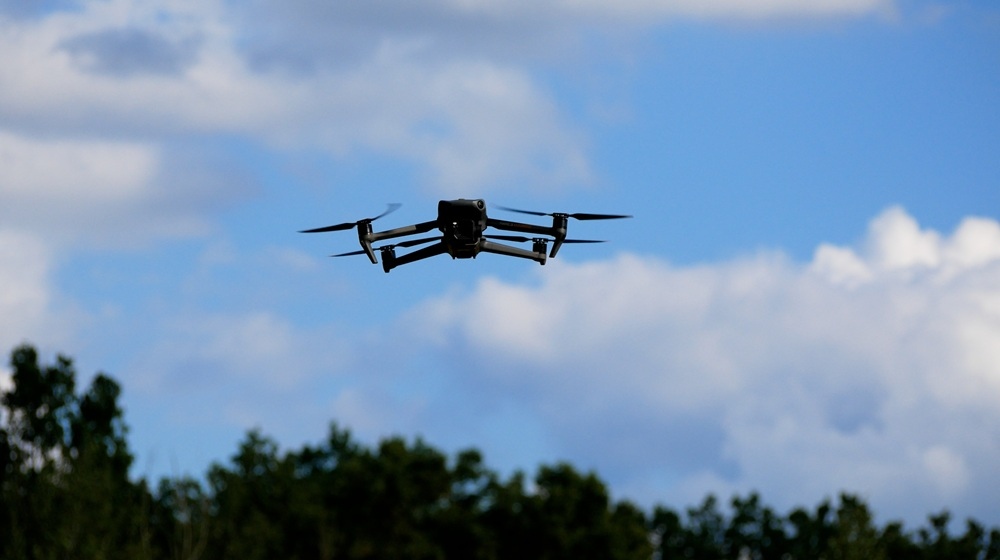
Energy infrastructure has become a key target for UAV reconnaissance due to its importance and vulnerability. The rise of unmanned aerial vehicles (UAVs) has made aerial surveillance more accessible, posing significant risks to energy facilities. UAVs can gather real-time data, capture detailed imagery, and bypass traditional security, making them a major challenge for protecting critical infrastructure. This article explores why energy sites attract UAV reconnaissance and the strategies to defend them, helping stakeholders better manage these risks.
From the article you will learn:
- How the inherent characteristics of energy facilities make them susceptible to UAV surveillance.
- The role of advanced UAV technologies in enhancing reconnaissance capabilities.
- How UAV reconnaissance compromises the security protocols of energy infrastructure.
- Current solutions and their effectiveness in combating unauthorized UAV incursions.
- Innovations in anti-drone measures designed for energy sectors.
- Speculations on future UAV threats targeting energy installations.
- Emerging defense strategies against sophisticated UAV tactics.
- The importance of integrating technological advancements in infrastructure protection.
- Challenges faced by operators in implementing comprehensive anti-drone systems.
Factors making energy infrastructure vulnerable to UAV reconnaissance
Energy infrastructure is a prime target for UAV reconnaissance due to its expansive and often remote facilities, which present significant security challenges. The vastness of these sites makes comprehensive surveillance and defense difficult, allowing UAVs to exploit blind spots and gather critical information undetected. This vulnerability is particularly concerning for critical infrastructure, as unauthorized aerial surveillance can lead to data breaches and potential sabotage.
Additionally, the integration of advanced technologies within energy infrastructure increases susceptibility to UAV threats. Modern facilities rely heavily on interconnected systems and digital controls, which can be compromised through detailed reconnaissance conducted by UAVs. The ability of these drones to navigate complex environments and transmit real-time data exacerbates the risk, necessitating enhanced security measures to protect against energy infrastructure drone threats.
Technological advancements in UAVs enhancing reconnaissance capabilities
Modern UAVs are equipped with artificial intelligence (AI) and machine learning algorithms, enabling autonomous navigation and real-time data processing. These systems allow drones to adapt to complex environments, identify targets, and optimize flight paths without human intervention, thereby increasing the efficiency and stealth of surveillance missions. The integration of AI in UAVs facilitates autonomous decision-making, allowing them to perform complex tasks with minimal human input.
Additionally, improvements in propulsion systems and energy efficiency have extended UAV flight times, allowing for prolonged surveillance over critical infrastructure. Enhanced battery technologies, such as high-density lithium-ion and solid-state batteries, provide longer operational durations, reducing the need for frequent recharging. This extended endurance enables UAVs to conduct comprehensive reconnaissance missions, gathering detailed intelligence on energy facilities.
Impact of UAV reconnaissance on the security of energy facilities
Unmanned aerial vehicle (UAV) reconnaissance poses significant security challenges for critical infrastructure, particularly energy facilities. Unauthorized UAVs can conduct detailed surveillance, capturing sensitive information about facility layouts, security protocols, and operational procedures. This intelligence can be exploited to plan and execute attacks, leading to data breaches and operational disruptions. The ability of UAVs to operate discreetly and access restricted areas exacerbates these risks, making it imperative for energy facilities to implement robust security measures.
To mitigate these threats, the deployment of advanced anti-drone systems is essential. These systems are designed to detect, track, and neutralize unauthorized UAVs, thereby safeguarding critical infrastructure. By integrating technologies such as radar detection, radio frequency jamming, and kinetic interception, anti-drone systems provide a comprehensive defense against UAV reconnaissance. Implementing such measures enhances the resilience of energy facilities, ensuring the continuity of operations and the protection of sensitive information.
Current anti-drone measures protecting critical energy infrastructure
To protect energy infrastructure, various anti-drone systems are used to detect, track, and stop unauthorized UAVs. These systems encompass radar-based detection, radio frequency (RF) jamming, high-energy lasers, and interceptor drones. For instance, the FK-4000 employs high-power microwave emissions to disable drones, while the Iron Beam utilizes a 100,000-watt laser to intercept aerial threats. Additionally, systems like the Telemachus Jammer and the Slinger weapon system offer portable solutions for jamming and kinetic interception, respectively. These technologies are designed to provide comprehensive protection against energy infrastructure drone threats.
Despite their advancements, these anti-drone systems face certain limitations. RF jamming can be circumvented by drones using fiber-optic communication, rendering traditional jamming ineffective. High-energy lasers, while precise, may struggle under adverse weather conditions that can scatter or absorb the laser beam, reducing effectiveness. Interceptor drones and kinetic systems require precise targeting and can be overwhelmed by swarm attacks. Moreover, the deployment and maintenance of these systems can be resource-intensive, posing challenges for continuous operation. While current anti-drone measures offer some protection, continual innovation and combining multiple technologies are needed to counter evolving UAV threats to energy infrastructure.
Future trends in UAV threats and defense strategies for energy infrastructure
The evolution of unmanned aerial vehicle (UAV) technology continues to present escalating challenges for critical infrastructure, particularly energy facilities. Future UAV threats are expected to include enhanced autonomy, allowing drones to operate without direct human control, and the use of swarm tactics, where multiple UAVs coordinate to overwhelm defense systems. These advancements necessitate the development of sophisticated defense strategies to mitigate energy infrastructure drone threats.
In response, defense technologies are advancing to counter these emerging threats. High-power microwave (HPM) weapons, such as the Tactical High-power Operational Responder (THOR), are being developed to disable multiple UAVs simultaneously by emitting targeted electromagnetic pulses. Additionally, autonomous anti-drone systems like Indrajaal are being deployed to provide wide-area protection through AI-driven detection and neutralization of UAVs. These innovations represent a proactive approach to safeguarding critical infrastructure against the evolving landscape of UAV reconnaissance threats.
FAQ
Energy facilities often encompass vast, open areas with complex layouts, making comprehensive surveillance challenging. This complexity provides UAVs with opportunities to exploit blind spots and gather critical information undetected.
Advancements such as artificial intelligence and machine learning enable UAVs to autonomously navigate and process data in real-time. Enhanced propulsion systems and energy efficiency extend their flight times, allowing prolonged surveillance over critical infrastructure.
Unauthorized UAV surveillance can lead to data breaches, operational disruptions, and compromised security protocols. The detailed intelligence gathered can be exploited to plan and execute attacks, posing significant risks to facility operations.
Defense strategies include radar-based detection, radio frequency jamming, high-energy lasers, and interceptor drones. These systems aim to detect, track, and neutralize unauthorized UAVs to safeguard critical infrastructure.
Challenges include the ability of UAVs to bypass RF jamming through alternative communication methods, reduced effectiveness of high-energy lasers under adverse weather conditions, and the resource-intensive nature of deploying and maintaining these systems.
Emerging threats may involve enhanced autonomy, allowing UAVs to operate without direct human control, and the use of swarm tactics, where multiple drones coordinate to overwhelm defense systems.
Developments include high-power microwave weapons capable of disabling multiple UAVs simultaneously and autonomous anti-drone systems that provide wide-area protection through AI-driven detection and neutralization.
As UAV technologies evolve, integrating advanced defense systems is essential to proactively address emerging threats, ensuring the resilience and security of critical energy facilities
Recent Comments