
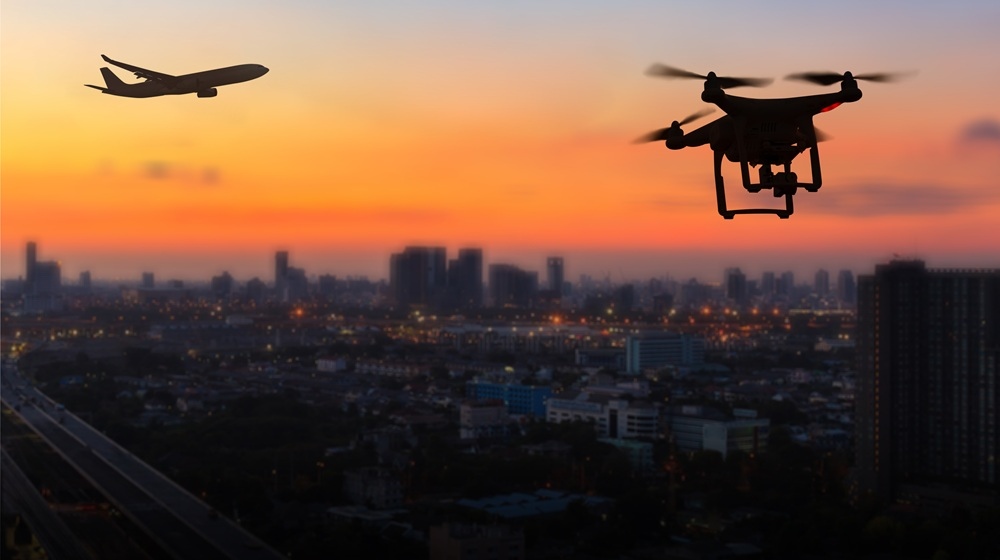
Drone incidents at airports have become a growing concern worldwide, posing significant challenges to airport operations and safety. These disruptions, often caused by unauthorized drones entering restricted airspace, result in hidden costs that extend beyond the immediate delay of flights. In this article, we delve into the various financial implications these disruptions have on airports and aviation stakeholders. From increased security measures to potential loss of revenue, we explore why understanding and addressing these hidden costs is crucial. Join us as we uncover the complexities of drone-related disruptions and how they impact airport operations in profound ways.
From the article you will learn:
- How drone incursions lead to unexpected costs for airports beyond immediate operational disruptions.
- The ripple effect of flight delays on passengers’ travel plans and overall experiences.
- The financial strain on airlines resulting from compensation claims due to drone-induced interruptions.
- Innovative airport technologies being developed to combat the growing threat of unauthorized drones.
- The essential role of advanced airport drone detection in maintaining airspace security and efficiency.
- The complexity of integrating anti-drone systems within existing airport infrastructure.
- The necessity of regulatory frameworks to support airports in mitigating drone-related risks.
- Practical measures airports can take to prevent drone disruptions before they escalate.
- Insights into collaborative efforts between aviation authorities and airport management to address drone challenges.
Impact of drone disruptions on airport operations
Unauthorized drone incursions into airport airspace pose significant challenges to daily operations, leading to flight delays, cancellations, and safety concerns. These disruptions can result in:
- Temporary runway closures, causing cascading delays across flight schedules.
- Increased fuel consumption as aircraft are placed in holding patterns or diverted.
- Passenger inconvenience, including missed connections and extended wait times.
To mitigate these risks, airports are implementing advanced technologies for airport drone detection. These systems utilize a combination of radar, radio frequency scanners, and optical sensors to identify and track unauthorized drones. By integrating anti-drone systems, airports can effectively neutralize potential threats, ensuring the safety and efficiency of air travel.
Financial implications of flight delays
Drone-related flight delays impose substantial financial burdens on airports and airlines. These disruptions lead to increased operational costs, including:
- Passenger accommodations: Airlines often need to provide lodging, meals, and transportation for stranded passengers, resulting in significant expenses.
- Fuel wastage: Aircraft placed in holding patterns or diverted consume additional fuel, escalating operational costs.
- Additional staffing: Managing delays requires extra personnel for customer service, security, and ground operations, further straining resources.
Implementing effective airport drone detection is crucial in mitigating these costs. By swiftly identifying and neutralizing unauthorized drones, airports can prevent disruptions, ensuring smoother operations and financial stability through robust anti-drone systems.
Increased security expenses for airports
Airports are facing escalating security expenses due to the need to prevent drone-related disruptions. Investing in advanced technologies for airport drone detection and sophisticated anti-drone systems is essential to ensure safety and operational efficiency. These investments encompass:
- Detection Systems: Implementing radar and radio frequency sensors to identify unauthorized drones, with costs ranging from $200,000 to $500,000 for mid-range systems.
- Neutralization Technologies: Deploying jamming devices or laser systems to disable detected drones, which can add $1 million or more to the budget.
- Integration and Training: Ensuring seamless integration with existing security infrastructure and providing staff training, potentially increasing the total investment by 25% to 50%.
While these expenditures are substantial, they are justified when compared to the potential financial losses from flight delays and cancellations caused by drone incursions. Proactive investment in airport drone detection and anti-drone systems is crucial for maintaining airport security and operational continuity.
Impact on airlines and passengers
Drone-related disruptions at airports significantly impact airline schedules and passenger experiences. Unauthorized drone activity can lead to flight delays, cancellations, and diversions, causing inconvenience and frustration for travelers. Passengers may face missed connections, extended wait times, and unexpected overnight stays, leading to dissatisfaction and potential loss of future business for airlines.
Airlines also encounter operational challenges due to these disruptions. They must manage crew rescheduling, aircraft repositioning, and increased fuel consumption, all of which contribute to higher operational costs. Additionally, airlines may be obligated to compensate passengers for delays and cancellations, further straining financial resources. Implementing effective airport drone detection and anti-drone systems is essential in mitigating these issues. By swiftly identifying and neutralizing unauthorized drones, airports can minimize disruptions, ensuring smoother operations and enhancing passenger satisfaction.
Strategies for minimizing disruptions
To effectively minimize drone-related disruptions, airports can adopt a range of proactive strategies and technologies, including:
- Advanced Detection Systems: Implementing comprehensive airport drone detection solutions that utilize radar, radio frequency sensors, and optical systems to identify unauthorized drones in real-time.
- Anti-Drone Systems: Deploying anti-drone systems capable of neutralizing threats through methods such as signal jamming, directed energy weapons, or kinetic interceptors.
- Integration with Existing Security Protocols: Ensuring seamless incorporation of drone detection and mitigation technologies into current airport security frameworks to enhance overall situational awareness.
- Staff Training and Response Planning: Conducting regular training sessions for security personnel on drone threat identification and response procedures to ensure swift and effective action.
- Regulatory Compliance and Collaboration: Working closely with aviation authorities to develop and adhere to regulations governing drone operations near airports, fostering a collaborative approach to airspace security.
By integrating these strategies, airports can significantly reduce the risk of drone-related disruptions, ensuring a safer and more reliable air travel experience for passengers and airlines alike.
FAQ
Unauthorized drone operations near airports often stem from recreational users unaware of airspace restrictions, malicious intent to disrupt operations, or inadequate regulatory enforcement.
Drone incursions can lead to flight delays, cancellations, and diversions, resulting in increased operational costs, passenger compensation, and potential reputational damage for airports.
Airports utilize radar systems, radio frequency sensors, and optical cameras to detect unauthorized drones, enabling timely responses to potential threats.
Anti-drone systems can neutralize threats through methods like signal jamming or capturing drones, preventing potential collisions and ensuring uninterrupted airport operations.
Unauthorized drone operators may face fines, confiscation of equipment, and potential criminal charges, depending on local regulations and the severity of the incident.
Airports can invest in advanced detection and mitigation technologies, collaborate with regulatory bodies, and conduct regular staff training to effectively manage drone-related threats.
Regulations establish no-fly zones, mandate drone registration, and set penalties for violations, creating a legal framework to deter unauthorized drone activities near airports.
Drone disruptions can cause flight delays and cancellations, leading to logistical challenges, increased operational costs, and potential loss of customer trust for airlines.
Passengers should stay informed through official airline communications, understand their rights regarding compensation, and follow provided instructions to minimize inconvenience.
Yes, international aviation organizations collaborate to develop guidelines, share best practices, and promote the adoption of technologies to mitigate drone-related risks at airports worldwide.
Recent Comments