
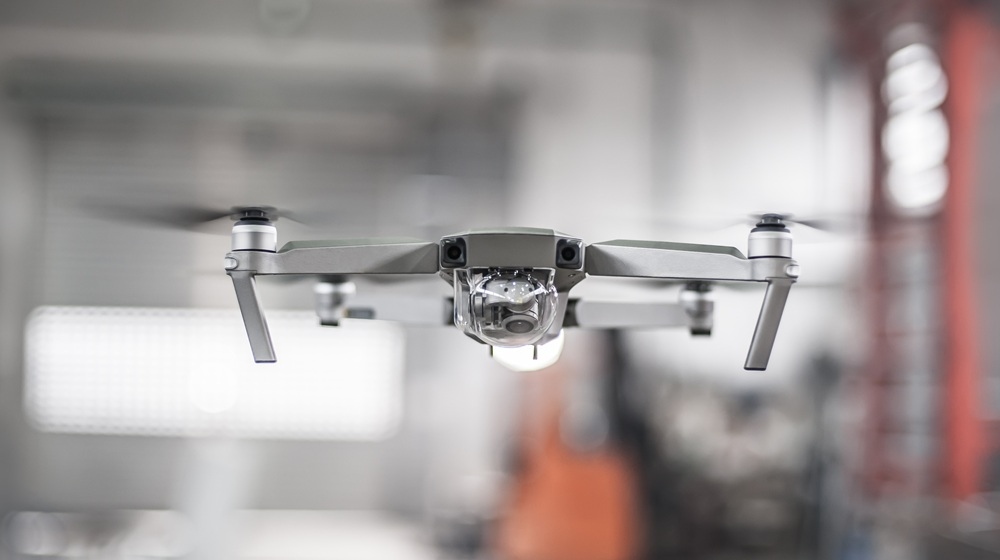
With each technological advance, new threats emerge for global businesses. One of the most alarming developments is the rise of corporate espionage from the sky. Drones, once seen merely as recreational devices, are now tools for espionage, capable of infiltrating airspace and compromising sensitive corporate data. This article explores how businesses worldwide face these aerial risks and the measures being deployed to counteract them. Recognizing these threats and using strong security measures is key to protecting corporate assets today.
From the article you will learn:
- How drones have become tools for corporate espionage and the threats they pose to enterprise security.
- Key technological advancements that are shaping the future of corporate airspace security.
- The strategies companies can implement to deploy effective anti-drone systems successfully.
- The legal challenges and ethical considerations in using technology for aerial threat prevention.
- Insights from experts on predictions for future trends in aerial security and corporate defense.
- Methods organizations use to detect, track, and neutralize unauthorized aerial intrusions.
- The balance companies must maintain between enhancing security measures and protecting personal privacy rights.
- Innovative solutions emerging in the counter-drone market and their potential impact on security protocols.
- The importance of staying informed about regulatory developments impacting drone technology and airspace rules.
Understanding corporate espionage from the sky
Corporate espionage has evolved beyond traditional methods, with drones emerging as sophisticated tools for aerial surveillance. These unmanned aerial vehicles (UAVs) can discreetly infiltrate corporate airspace, capturing high-resolution images and videos of sensitive areas such as research labs, manufacturing facilities, and executive offices. The ability to hover undetected allows malicious actors to gather proprietary information without setting foot on company premises. This shift underscores the critical need for robust corporate airspace security measures to prevent unauthorized access and potential data breaches.
Beyond visual surveillance, drones can intercept wireless communications, exploiting vulnerabilities in Wi-Fi, Bluetooth, and other wireless protocols. By positioning themselves within close proximity, drones can eavesdrop on confidential conversations, access unencrypted data transmissions, and even introduce malware into corporate networks. The Department of Homeland Security has expressed concerns about drones manufactured by foreign entities potentially transmitting sensitive data to external servers, posing significant risks to corporate airspace security. To reduce these risks, organizations should use strong security measures, train staff to spot drone threats, and deploy advanced systems to monitor and protect their airspace.
Technological advancements in corporate airspace security
Advances in corporate airspace security have produced systems like India’s Indrajaal Autonomous Drone Defence Dome, which uses AI, radar, RF, and command intelligence to detect and neutralize threats from single drones to swarms. Similarly, Greece’s Telemachus jammer is a portable solution designed to locate and block small enemy drones, including FPV and fiberoptic guided ones that fly very low, using radar and jamming technology. These innovations enhance corporate airspace security by integrating advanced technologies.
In addition to these solutions, the U.S. Space Force is enhancing its defenses against drone threats near Cape Canaveral Space Force Station and across the Eastern Range, a critical airspace for American space launches. A new, multi-million-dollar counter-uncrewed aerial system (C-UAS) is being installed to provide comprehensive, holistic coverage, improving existing drone tracking and engagement capabilities significantly. These technological advancements underscore the importance of proactive measures, ensuring enterprises can keep sensitive information safe from evolving aerial threats and maintain strong corporate airspace security.
Strategies for implementing anti-drone systems
Detection technologies form the foundation by utilizing radar, radio frequency (RF) sensors, and electro-optical/infrared (EO/IR) cameras to identify unauthorized drones. For instance, the Iperion anti-drone system developed by the Hellenic Aerospace Industry combines passive 3D detection and tracking with electronic countermeasure technologies to address threats ranging from small commercial quadcopters to military-grade drones.
Mitigation measures are essential to neutralize detected threats. These include electronic countermeasures like jamming and spoofing, as well as kinetic solutions such as interceptor drones or net-based capture systems. The Telemachus jammer, also developed by the Hellenic Aerospace Industry, is a portable system designed to locate and block small enemy drones using advanced jamming technologies. Training staff on anti-drone systems is also essential. Programs should cover drone identification, threat assessment, and response protocols to ensure quick and effective action.
Legal and ethical considerations
Legally, organizations must adhere to national and international regulations governing airspace and unmanned aerial vehicles (UAVs). For instance, the Federal Aviation Administration (FAA) in the United States enforces strict guidelines on UAV operations, including registration, operator licensing, and airspace restrictions. Deploying anti-drone systems that interfere with or disable UAVs can potentially violate laws designed to protect the navigable airspace and the rights of UAV operators. Therefore, companies must ensure that their countermeasures comply with existing aviation laws to avoid legal repercussions.
Ethically, the deployment of anti-drone systems raises significant privacy concerns. These systems often employ surveillance technologies to detect and track UAVs, inadvertently capturing data on individuals and activities unrelated to the intended security purpose. This pervasive monitoring poses risks of data misuse and unauthorized surveillance, potentially infringing on personal privacy rights. Balancing the need for corporate airspace security with the obligation to respect individual privacy requires transparent policies, strict data handling protocols, and adherence to ethical standards that prioritize the rights and freedoms of all stakeholders.
Future trends in aerial corporate security
Emerging trends indicate a shift towards autonomous anti-drone systems that leverage artificial intelligence (AI) and machine learning (ML) to detect, track, and neutralize unauthorized drones with minimal human intervention. For instance, the Indrajaal Autonomous Drone Defence Dome utilizes AI to provide wide-area aerial security, capable of detecting and neutralizing threats from consumer drones to drone swarms using radar, RF, spoofing, and command intelligence systems. Similarly, the U.S. Space Force is enhancing its defenses against drone threats near Cape Canaveral Space Force Station by installing a new, multi-million-dollar counter-uncrewed aerial system (C-UAS) to provide comprehensive, holistic coverage.
Additionally, the development of integrated counter-UAS solutions is gaining momentum. Companies like Fortem Technologies have secured orders for their SkyDome counter-drone systems from U.S. allies in Europe and the Middle East, aiming to protect military bases and critical infrastructure amid heightened concerns over drone threats. These advancements underscore the necessity for organizations to adopt proactive measures, ensuring their anti-drone systems are equipped to handle the complexities of modern aerial threats. By staying abreast of technological innovations and regulatory developments, enterprises can fortify their defenses and maintain robust corporate airspace security in an increasingly drone-populated environment.
FAQ
Corporate airspace security involves protecting a company’s airspace from unauthorized drone activities that could lead to espionage, data breaches, or physical threats. It encompasses measures to detect, track, and mitigate unauthorized drones to safeguard sensitive information and assets.
Anti-drone systems are crucial for businesses to prevent unauthorized aerial surveillance, protect intellectual property, and ensure the safety of personnel and infrastructure. They help mitigate risks associated with corporate espionage and potential drone-related incidents.
Anti-drone systems utilize various technologies, including radio frequency analyzers, optical sensors, acoustic sensors, and radar systems, to detect and track drones. Mitigation methods may involve jamming, spoofing, or physically intercepting unauthorized drones.
Yes, deploying anti-drone systems requires compliance with aviation laws and regulations. Unauthorized interference with drones can violate federal statutes, so it’s essential to ensure that countermeasures are legally permissible and do not infringe on privacy rights.
Companies should implement anti-drone systems that focus solely on detecting and mitigating unauthorized drones without infringing on individual privacy. Transparent policies, regular audits, and adherence to legal standards help maintain this balance.
Future trends include the integration of artificial intelligence and machine learning in anti-drone systems for autonomous detection and response, as well as the development of more sophisticated countermeasures to address evolving drone technologies.
Yes, many anti-drone systems are designed to integrate seamlessly with existing security infrastructure, providing a comprehensive approach to threat detection and mitigation without requiring significant overhauls.
Companies should assess their specific security needs, consult with experts to select appropriate technologies, ensure compliance with legal requirements, and provide training for personnel on the operation and protocols of the anti-drone system.
Recent Comments