
The Invisible Threat: Why Drones Trigger Fear
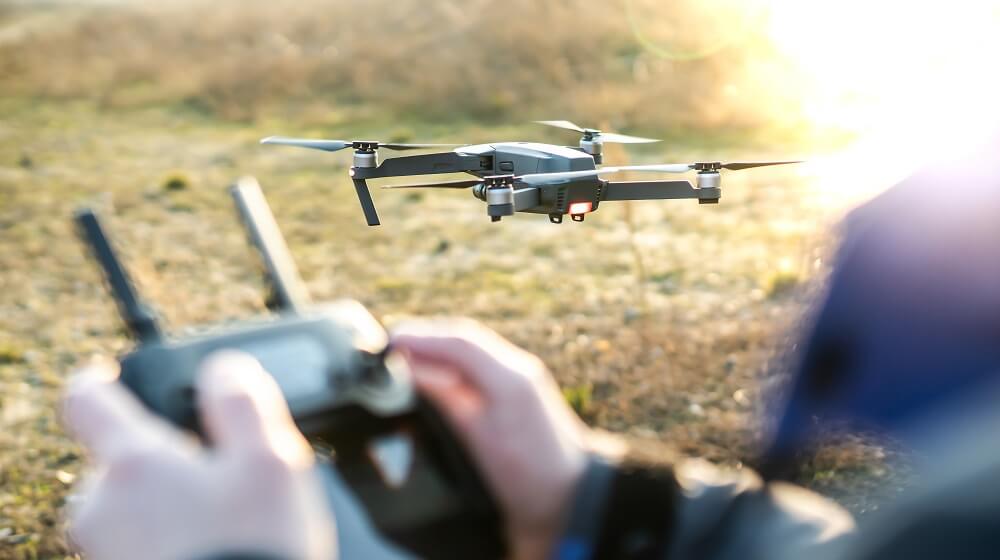
Drones, small and often easy to miss, can create a surprising sense of unease. People naturally worry about the unknown, and the novelty of these flying machines only adds to that feeling. Because drones can appear suddenly and hover in places we usually consider private or safe, they can make anyone feel on edge. Even the simple buzz of a drone overhead can spark curiosity – and concern – about why it’s there. Stories in the media often make this anxiety worse, focusing on drones being used for spying or other risky activities, which reinforces our sense of caution.
News stories frequently emphasize negative incidents involving drones, shaping public perception and magnifying fears about privacy invasions or security breaches. This consistent focus on the potential threats posed by drones contributes to an environment where the technology is viewed with suspicion. By understanding these psychological aspects, it becomes possible to address the root causes of this fear and explore ways to mitigate it, thereby fostering a more informed and balanced view of drones and their applications.
Impact of Drones on Privacy and Security
Drones have changed the way we think about privacy and security, bringing challenges that once seemed impossible. As these devices become cheaper and more advanced, worries about personal privacy are growing. With the ability to capture high-resolution photos and videos from above, drones can make people feel watched or exposed. Many are concerned about drones flying over their homes, potentially recording private moments without permission. The fact that drones can enter personal spaces quietly and unnoticed only adds to these fears, making privacy violations feel more real and immediate.
Beyond privacy worries, drones also bring serious security risks. There have been cases of drones being used for unauthorized surveillance or even to smuggle contraband into restricted areas, exposing weaknesses in both personal and public safety systems. Uncontrolled drone activity can disrupt events, violate airspace rules, and threaten critical infrastructure. These risks highlight the need for strong regulations and smart ways to monitor and manage drones. As society works through these challenges, it’s important to find a balance between enjoying the benefits of drone technology and keeping people and spaces safe.
The Role of Technology in Mitigating Drone Threats
The development of advanced security solutions, particularly anti-drone systems, is crucial in addressing the challenges posed by unauthorized drone activities. These systems utilize a variety of technologies to detect, track, and neutralize drones that enter restricted areas without authorization. By using radar, radio frequency sensors, and optical cameras, anti-drone technology can accurately identify drones at a significant distance, allowing for timely intervention. The implementation of these systems helps to reassure the public by demonstrating that effective measures are in place to counteract potential threats.
Anti-drone systems are designed to improve security by handling a wide range of drone threats. Once a drone is detected, these systems can respond in different ways, such as jamming its signals or using nets to capture it. Their flexibility allows them to work in many settings, from crowded events to critical infrastructure. By acting quickly, they can stop potential accidents or misuse before it happens. As these technologies advance, they provide a practical way to ease public worries and help ensure drones are used safely and responsibly.
Future Perspectives on Drone Regulation and Technology
As drones become increasingly integrated into various sectors, from delivery services to agriculture, the need for comprehensive regulation becomes paramount. Future regulations are likely to focus on ensuring safety and privacy while fostering innovation. This balance will be essential in addressing the public’s concerns over privacy and security while allowing the technology to reach its full potential. As regulatory frameworks become more robust, they could help alleviate some of the fear associated with drones by clearly defining acceptable use cases and restrictions.
Technology advancements will continue to refine drone capabilities, making them more efficient, autonomous, and versatile. These improvements could positively influence public perception by showcasing the benefits of drones in enhancing daily life and boosting economic productivity. However, as these flying devices continue to advance, so too must anti-drone systems. These tools will need to keep up with new innovations to spot and handle emerging drone threats. The ongoing role of anti-drone solutions in this fast-changing environment will be key to keeping people and places safe. By staying ahead of potential dangers, they not only protect public safety but also help build trust in drones as they become a more common part of our skies.
Recent Comments