
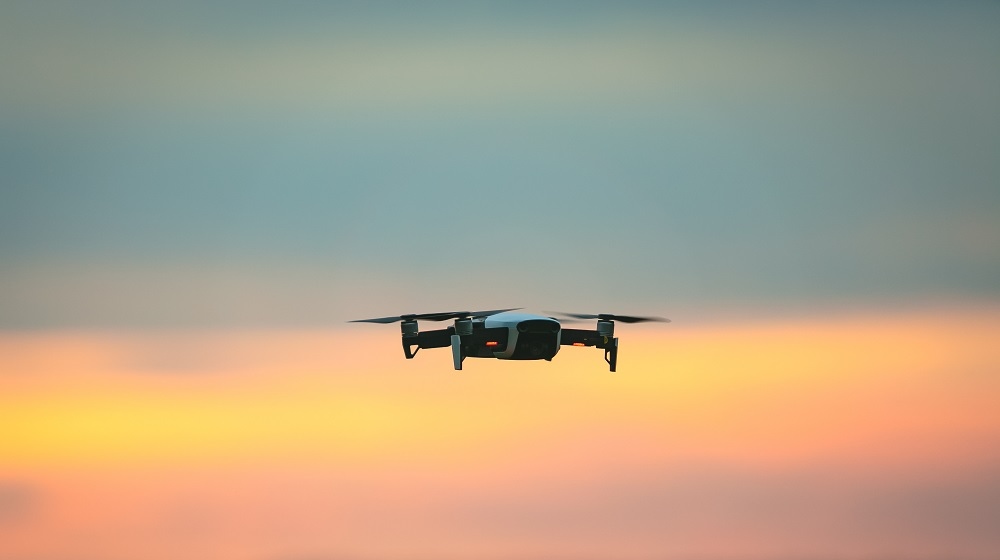
Recognizing the Drone Threat at Airports
Drone threats have become a significant concern for aviation safety due to the potential risks they pose to aircraft and passengers. With the increasing availability and affordability of drones, more incidents of unauthorized flights near airports have been reported. These incidents can lead to severe disruptions in airport operations, forcing flights to be delayed, redirected, or even canceled. The risk of collision between drones and aircraft is particularly alarming, as it can result in catastrophic consequences. Additionally, drones can interfere with sensitive airport equipment, complicating air traffic control and navigation systems.
Aviation safety is paramount, and understanding the drone threat at airports is crucial for maintaining it. Several factors contribute to the danger posed by drones:
- Unregulated flights that can intrude into restricted airspace.
- Potential for mid-air collisions with commercial aircraft.
- Possibility of drones being used for malicious purposes, such as smuggling contraband or surveillance.
- Disruption of critical airport operations and jeopardizing passenger safety.
Addressing these concerns requires a comprehensive approach, incorporating technology, regulations, and public awareness to prevent unauthorized drone activity and ensure the ongoing safety and security of global aviation.
How Anti-Drone Technology Works
Anti-drone technology has become an essential tool in safeguarding airports against unauthorized drone activity. Central to this technology are C-UAS (Counter-Unmanned Aircraft Systems), which are designed to detect, identify, and neutralize threats posed by rogue drones. The first step in the process is drone detection, which involves the use of radar, radio frequency (RF) sensors, and visual tracking systems to pinpoint unauthorized drones entering sensitive airspace. These systems are capable of scanning wide areas with precision, ensuring that no drone goes unnoticed. By using advanced algorithms, C-UAS systems can differentiate between drones and other objects in the vicinity, reducing false alarms and increasing the reliability of the detection process.
Once a drone is detected, the next critical step is identification, where C-UAS technology works to determine the type of drone, its origin, and its intended path. This is crucial for assessing the level of threat and deciding on an appropriate response. The final component is neutralization, which involves disabling the drone to prevent it from causing harm. This can be achieved through various methods, including jamming the drone’s communication signals, using a net to capture it, or employing directed energy weapons to disable its electronics. By using anti-drone technology, airports stay secure and can respond quickly to any threats.
Benefits of Implementing C-UAS Systems at Airports
These systems protect airport operations by managing threats from unauthorized drones. One of the primary advantages is the minimization of disruptions to airport activities. With the ability to quickly detect and neutralize rogue drones, C-UAS systems prevent delays, diversions, and potential shutdowns caused by drone incursions. This not only safeguards flight schedules but also protects the interests of passengers and airlines by ensuring that operations remain uninterrupted. The presence of C-UAS systems deters potential drone operators from entering restricted airspace, strengthening security protocols.
Using C-UAS systems greatly improves the safety of passengers and aircraft. By reducing the risk of drone collisions and interference with airport navigation systems, these technologies play a vital role in maintaining a secure environment for both travelers and airport staff. Improved aviation security is achieved through the comprehensive monitoring and management of airspace, ensuring that any potential threats are identified and neutralized promptly. C-UAS systems also contribute to peace of mind for passengers, reassuring them of their safety while traveling. As airports continue to adopt these advanced technologies, the global aviation industry becomes better equipped to handle the challenges posed by the increasing presence of drones, thereby fostering a safer and more efficient air travel experience for all.
Global Efforts in Combating Drone Threats
To address these threats, international cooperation is essential, since drones can impact air travel anywhere. Authorities worldwide are coordinating to implement standards and best practices for drone safety and airspace management. International organizations, such as the International Civil Aviation Organization (ICAO), play a vital role in developing comprehensive guidelines and standards. These efforts aim to harmonize regulations across borders, ensuring that all nations adhere to a unified set of protocols for handling drone threats. Such a coordinated approach enhances the ability to detect, manage, and mitigate risks associated with unauthorized drone activity.
Countries are investing in advanced C-UAS systems and collaborating on research and development initiatives to improve the effectiveness of these technologies. This includes sharing information on emerging threats and technological advancements in anti-drone measures. Joint training exercises and simulations are also conducted to prepare for potential incidents and refine response strategies. By pooling resources and expertise, nations can better protect their airspace and ensure the safety of passengers and aircraft on an international scale. Global cooperation will help tackle drone risks and maintain safe, reliable air travel.
Recent Comments