
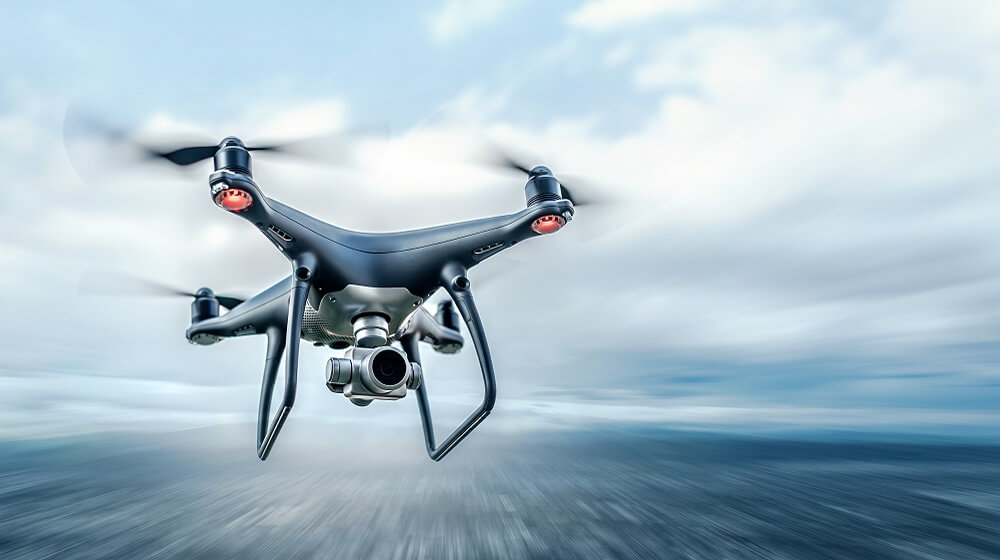
Understanding UAV Drones in Modern Warfare
These Unmanned Aerial Vehicles, commonly known as drones, have leveraged technological advancements to become indispensable in strategic military applications. The integration of sophisticated sensors, real-time data processing, and enhanced communication systems has enabled UAV drones to perform a variety of tasks ranging from surveillance and reconnaissance to targeted strikes. As warfare becomes increasingly technology-driven, UAV drones offer a versatile and efficient solution, capable of operating in environments that are often too dangerous for human soldiers.
What sets autonomous UAV drones apart is their ability to operate without direct human control. Through the application of advanced artificial intelligence and machine learning technologies, these drones can independently navigate, make decisions, and adapt to changing mission parameters. This autonomy allows them to execute complex missions with precision and speed, all while reducing the risk to human life. As military operations evolve, autonomous UAV drones are expected to play a key role, boosting efficiency and providing strategic advantages on the battlefield.
The Technology Behind Autonomous UAV Drones
The technology behind autonomous UAV drones is a blend of innovations that turn them from simple remote-controlled devices into smart, independent machines on the battlefield. At the heart of this autonomy is artificial intelligence, which allows drones to make real-time decisions without constant human control. AI processes large amounts of data, helping drones recognize objects, spot patterns, and respond to changing situations. Machine learning adds another layer, letting drones learn from past missions and improve over time. These advancements make autonomous UAVs capable of handling complex tasks more intelligently and reliably.
Complementing AI and machine learning are sophisticated sensor technologies that provide UAV drones with the situational awareness necessary for autonomy. These technologies include:
- High-resolution cameras for detailed imagery and surveillance.
- Infrared sensors for night vision and thermal imaging capabilities.
- LiDAR systems for precise mapping and navigation.
- GPS technology for accurate positioning and route planning.
The integration of these technologies allows autonomous UAV drones to perform tasks such as reconnaissance, target acquisition, and even engagement with minimal human intervention. For defense strategies, this means enhanced operational efficiency, reduced risk to personnel, and the ability to conduct missions in hostile or challenging environments.
Applications and Limitations of UAV Drones in Defense
Primarily, UAV drones are utilized for surveillance and reconnaissance missions, providing real-time intelligence and situational awareness without risking human life. Their ability to fly covertly over hostile territories makes them invaluable for gathering intelligence and monitoring enemy movements. Additionally, UAV drones have been increasingly employed in combat roles, with some equipped to deliver precision strikes on targets deemed critical to mission success. This versatility lets defense forces use drones in many situations, from battlefield support to strategic missions behind enemy lines.
While autonomous UAV drones offer many advantages, using them in defense comes with several challenges. Technologically, issues like communication security, battery life, and vulnerability to electronic warfare still need to be addressed. Ethically, questions arise about accountability and decision-making, especially when drones are used in combat situations involving lethal force. Logistically, adding drones to existing military operations requires significant investment in infrastructure and training. These challenges highlight the need for careful planning to use drones safely, responsibly, and with minimal risks.
Potential Future of Drone-on-Drone Combat
As nations recognize the strategic importance of dominating the aerial battlefield, the development of drones specifically designed to counter enemy UAVs is gaining momentum. Future UAV drones might be equipped with advanced technologies such as electronic warfare capabilities to jam or hack adversary drones, high-speed maneuverability for agile engagements, and the ability to deploy countermeasures like nets or projectiles to disable opposing drones. These innovations will redefine aerial combat, shifting the focus from manned to unmanned engagements and making drone-on-drone combat a crucial element in modern warfare.
The rise of drone-on-drone combat brings new challenges for defense planning and technology. Militaries will need to update strategies to use UAV drones effectively, gaining an advantage in conflicts. At the same time, the race to develop better drone technology can lead to rapid progress but also higher costs and more complexity. There are also risks of unintended consequences, as autonomous drones make split-second decisions in combat. Moving forward, defense agencies will need to balance innovation with caution, creating clear policies for drone-on-drone operations while addressing ethical and operational concerns.
Recent Comments